Choosing the right jump starter for a V8 engine can be tricky. Engine size, battery condition, and typical usage all affect which jump starter will work best for you.
Many users wonder: “Is a 1000-amp jump starter suitable for my SUV?” or “Will my V8 engine require 3250 amps of starting current?” Choosing the right jump starter depends on engine size, battery condition, and your typical usage rather than focusing solely on numbers.
In the next section, we’ll guide you on how to choose the right peak current for your specific V8 engine needs.
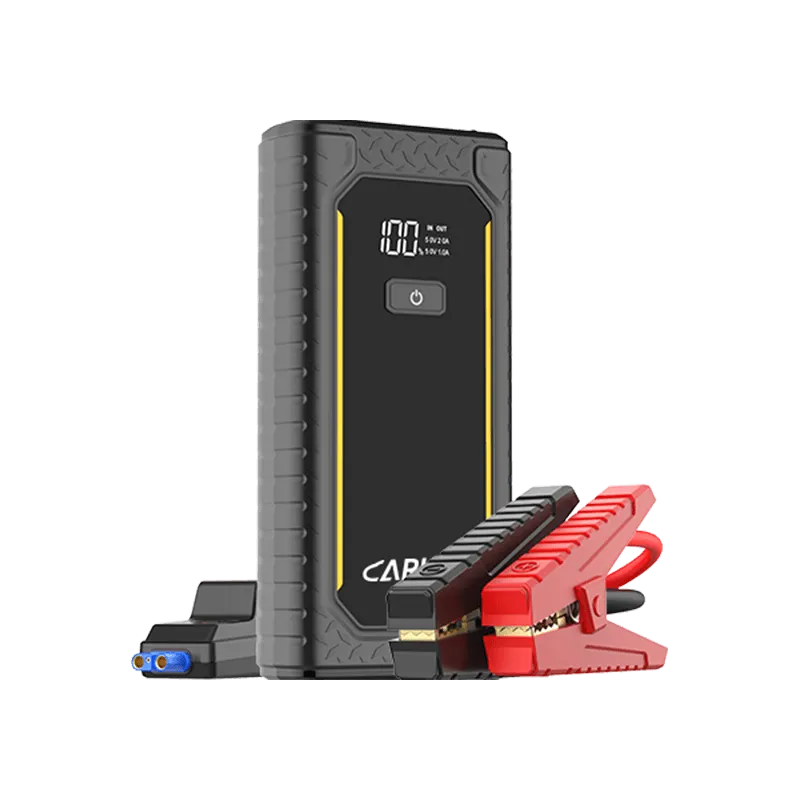
1000A Jump Starter for Daily Use: Small Cars and Mid-size SUVs
When you drive a smaller engine vehicle, mainly for commuting, and only occasionally face a discharged battery, the 1000A peak current is sufficient for daily commuting. Its lighter weight and compact size make it convenient for everyday emergency backup,so it’s always ready when you need it.
Do I Need a 3250A Jump Starter for V8 Engines or Cold Starts?
In colder climates, with larger engines or fully discharged batteries, a higher peak current provides the reliability you need. The 3250A jump box for light trucks delivers extra starting power, ensuring one-time successful starts even under extreme conditions.
Larger engines, like V8s or 4.0L+ vehicles, require more cranking power, especially in cold weather or when the battery is partially discharged. The 3250A is specially designed for drivers of en these vehicles who want a reliable solution for both engine starting and everyday emergencies.
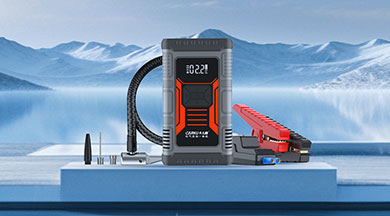
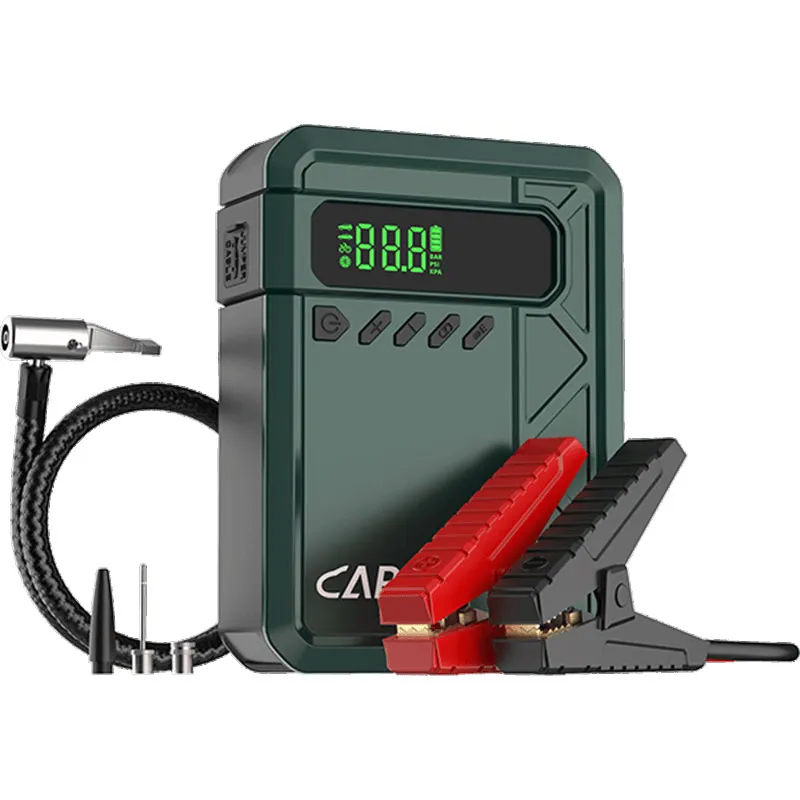
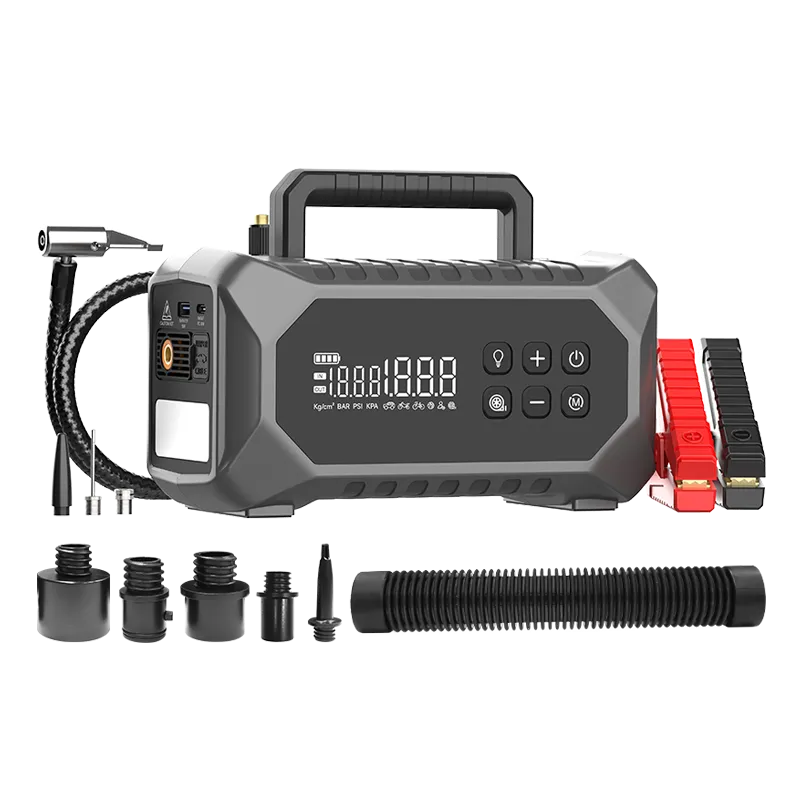
Recommendation: The 3250A jump starter also comes with a built-in tire inflator capable of reaching up to 150 PSI. This makes it ideal for everyday vehicles such as cars, SUVs, and light trucks—perfect for personal and family use. For larger commercial trucks, it can handle single-tire emergencies, but its primary design focus is on regular passenger and light truck owners.
How to Choose the Right Jump Starter for Cold Weather or High-Displacement Engines?
With that in mind, when choosing a jump starter suitable for your garage or glove box, you can focus on the two key parameters,1000A and 3250A ,and pay attention to the following points. Here are a few key things to look for when choosing the best jump starter for your garage or glove box:
For example:
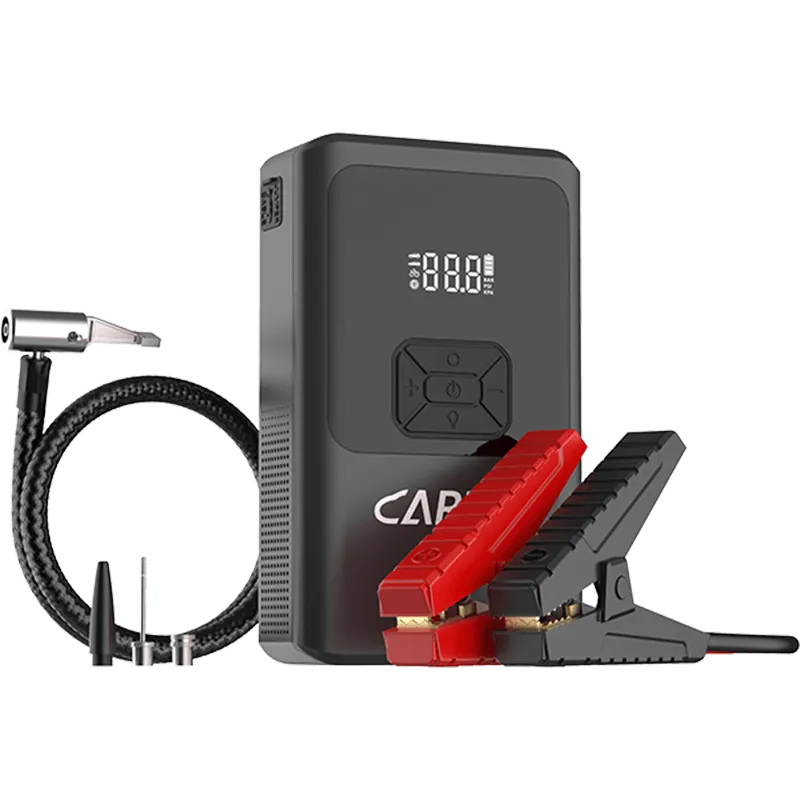
1.Daily commuters with small to mid-size vehicles (like Honda Civic, Toyota Corolla, or mid-size SUVs such as Toyota RAV4 or Honda CR-V) usually face occasional battery drainage. In these cases, a jump starter with air inflator(1000A) provides reliable power, making it perfect for emergency use without adding unnecessary bulk.
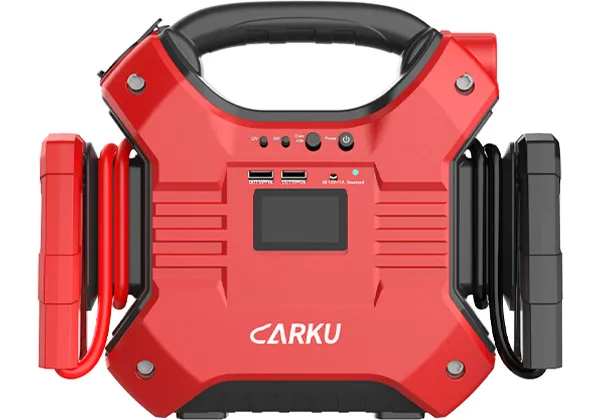
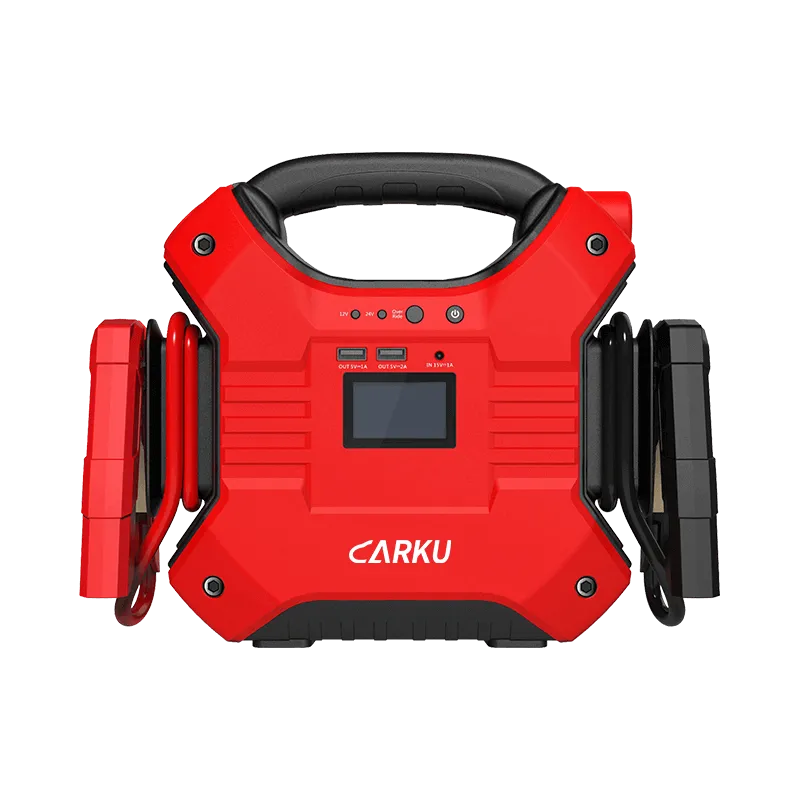
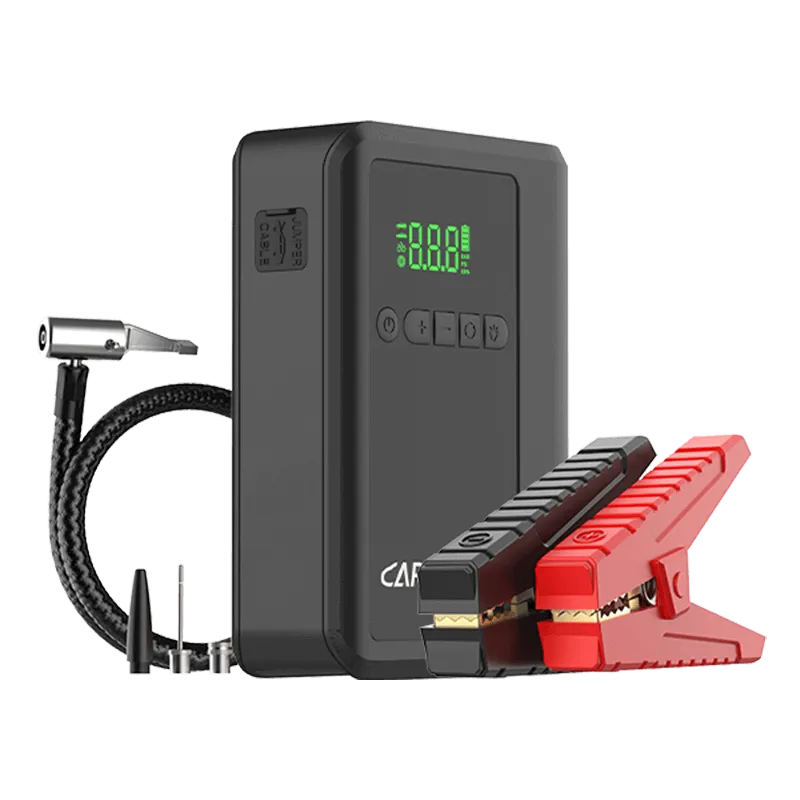
2.Owners of full-size SUVs or V8-powered trucks and cars (like Ford F-150, Chevrolet Tahoe, or Dodge Charger V8) often encounter heavier engines, larger batteries, and occasional cold starts. For a 3250A jump starter especially JS-558 provides extra cranking power, battery capacity, and enough tire inflator, ensuring the engine starts reliably even under low-voltage or extreme-temperature conditions.
Key Factors to Consider When Choosing a Portable Jump Starter
Here’s key factors to consider:
Portability & Versatility
Modern portable jump starters vary significantly in portability and versatility, largely depending on the battery technology used. Models powered by LiFePO4 batteries are noticeably lighter and more compact, making them easier to carry and store, while traditional lead-acid units tend to be heavier and bulkier. This weight difference directly impacts everyday convenience, especially for drivers who prefer to keep a jump starter in the glove box or trunk.
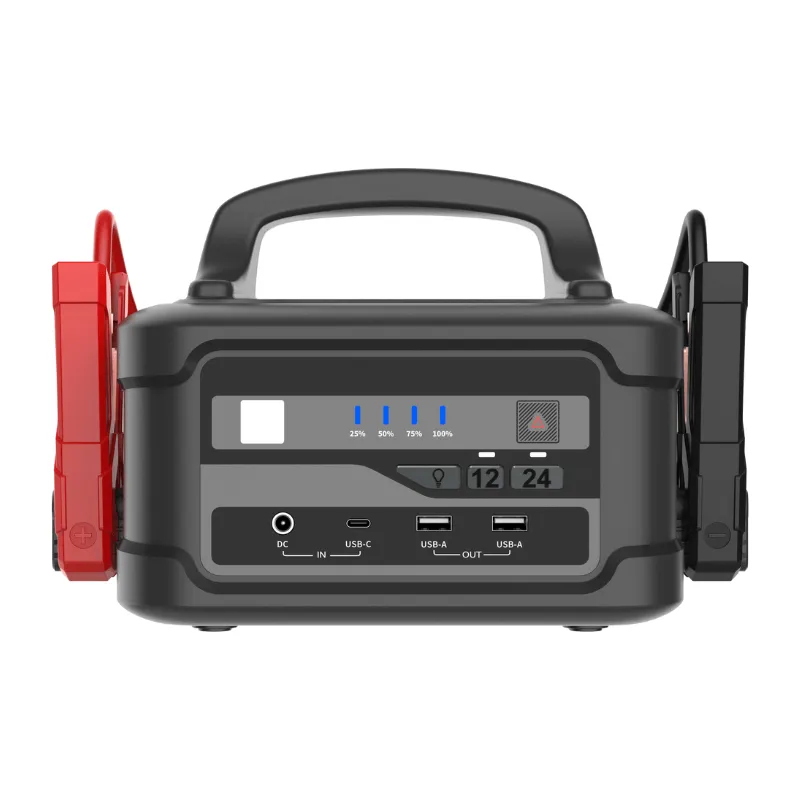
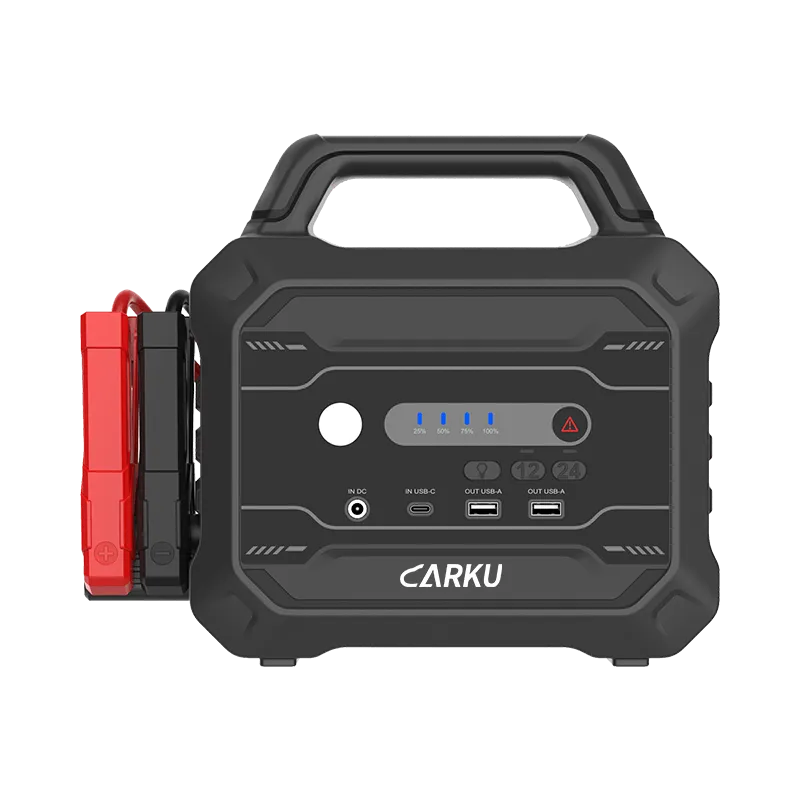
Charging and output capabilities are equally important. Most portable jump starters offer multiple input and output ports to support both vehicle starting and device charging. Depending on the model, you’ll typically find between four and six ports, including USB, Type-C, and DC outputs, allowing you to power smartphones, tablets, and other accessories while on the road. A wider range of ports adds flexibility, turning the jump starter into a practical multi-purpose power solution rather than just an emergency tool.
Cranking Power (peak and starting amps)
Stronger cranking output makes it easier to fire up larger engines, especially in cold weather. Choose a model whose rated amps match your vehicle type and engine size (for example, four-cylinder vs. V-8, gas vs. diesel).
Battery Capacity (mAh)
A higher-capacity pack improves starting reliability and gives you more reserve power to top up phones, tablets, and other small electronics when you are on the road.
Safety Features
Prioritize built-in protections such as reverse-polarity protection, spark-proof clamps, and short-circuit protection. These safety systems are standard on quality units and help make the jump-starting process both safer and more foolproof.
Size and Portability
Slim, compact jump starters are easier to tuck into a glove-box or trunk and are more convenient to handle in an emergency. This portability is one of the biggest advantages of the modern handheld units used in this test.
Peak Amperage (current)
Manufacturers like to advertise impressive peak-amp figures, but more on paper does not automatically translate to better real-world performance. On traditional lead�acid boosters, that peak rating mainly reflects a brief surge at the moment of connection, after which the unit settles into its true working output, expressed as cranking amps (CA) or cold cranking amps (CCA).
However, lithium-ion portable jump starters cannot sustain high amperage for long due to the risk of thermal runaway. They typically deliver peak current for only two to five seconds before cutting off, and units that are not fully charged provide fewer starting attempts despite maintaining stable output.
Cranking amps(CA)
By considering both vehicle type and engine displacement and how they affect the amps required to start different engines, you can choose a reliable jump starter that fits your actual usage scenario.
Frequently Asked Questions
1. Is 1000A enough to start an SUV?
1000A peak current is generally sufficient to start most passenger cars and many small to mid-size SUVs under normal conditions. It works best for daily commuting and just want a reliable backup, such as when the battery is partially discharged.
2.What peak current do I need for cold starts?
The engine typically requires a higher peak current than under normal conditions due to increased oil viscosity and reduced battery efficiency. A 3000A+ peak current provides the extra starting headroom needed to start the engine in a single attempt, even under low-voltage condition.
3.Is more peak current better for long-term reliability?
A higher peak current doesn’t automatically mean better long-term reliability for every user. Reliability depends on whether the jump starter has enough headroom for your actual starting conditions.





 Jump Starter ODM/OEM Solutions
 Portable Power Station ODM/OEM Solutions
 Starting Battery ODM/OEM Solutions
 ABOUT CARKU
 STRENGTH FACTORY
 THE DEVELOPMENT HISTORY OF CARKU
 CORE COMPETITIVENESS
 COMPANY CULTURE
 QUALIFICATION
 CARKU News
 CARKU Exhibitions
 CARKU Battery Applications