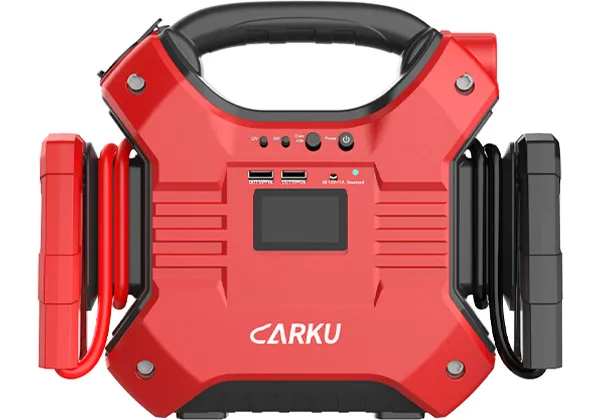
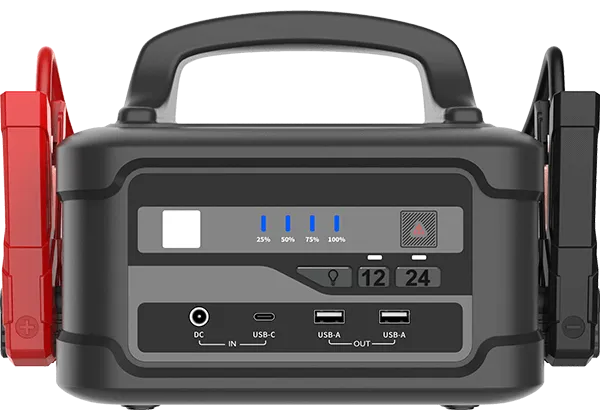
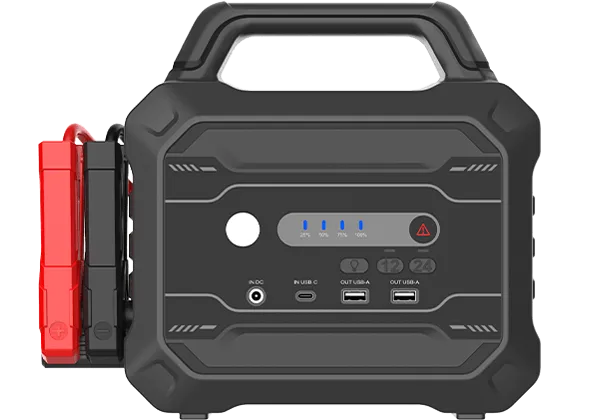
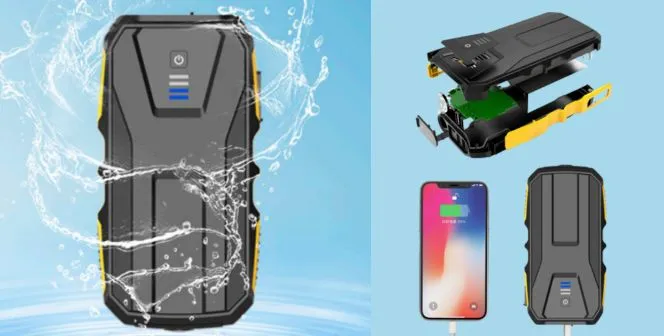
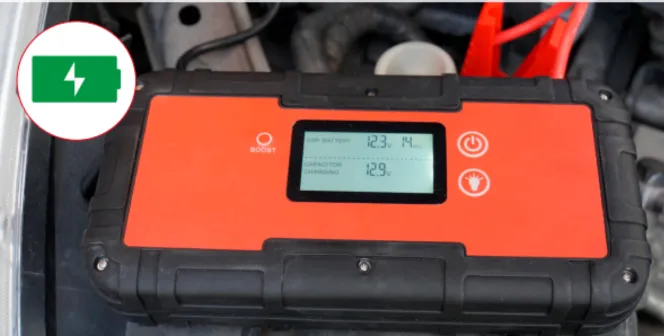
Learn how to use the best jump starter with air compressor safely and effectively. Understand key tips for proper connection, avoiding reverse polarity, and ensuring your device’s battery capacity can handle multiple jump-starts and tire inflations. This guide highlights practical usage, safety precautions, and capacity considerations to keep you prepared for roadside emergencies.
When Do You Need a Portable Jump Starter With an Air Compressor?
Primary use case: Compact emergency solutions for 12V vehicles
A portable jump starter with air compressor makes the most sense when you need a compact, all-in-one solution for common 12V vehicle emergencies. Instead of carrying separate tools, a combo unit or model combines jump-starting and tire inflation in a single device, making it easier to respond quickly when problems occur.
Modern units feature high-precision cylinders paired with high-power motors (up to 160 PSI), delivering reliable 12V jump-start capability alongside professional-grade air compression—all in one portable package.
Best for frequent drivers and road trips:Built for mobility and efficiency
Building on this convenience,these tools are especially useful if you drive a car, motorcycle, or other small 12V vehicle, where a portable jump starter with air compressor for car applications can reliably handle both a dead battery and a flat tire. They’re also practical for drivers who take frequent road trips or daily commutes, since a compact 4-in-1 jump starter with air compressor can stay in the trunk or an emergency roadside kit without taking up much space.
What makes these devices particularly road-trip-ready is their advanced power management: ultra-high efficiency USB-C 30W charging (>90%) ensures quick recharges between uses, while high output conversion efficiency (>85%) maximizes battery life. This compact combo design means you're carrying professional-grade tools without the bulk.
Critical advantage:Self-recovery when and where you need it
This portability makes it easy to store in your vehicle. In emergency roadside situations, such as a flat tire in a parking lot or a battery drained overnight, when having a jump starter with air compressor near me provides quick access to self-recovery, reducing the need to look ahead roadside assistance. This is particularly valuable in extreme weather, when battery failures are more common and response time matters most.
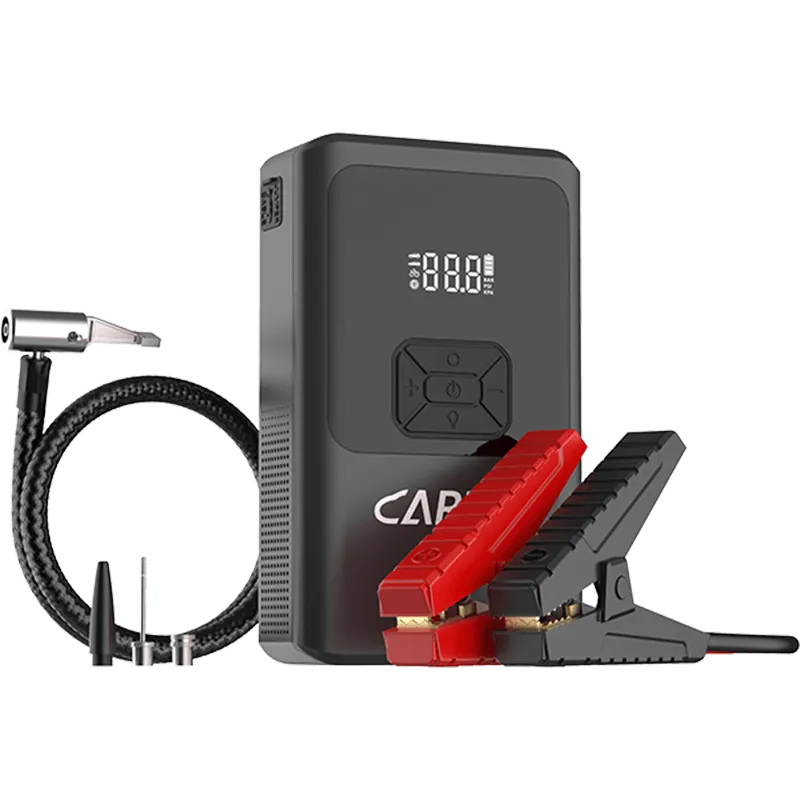
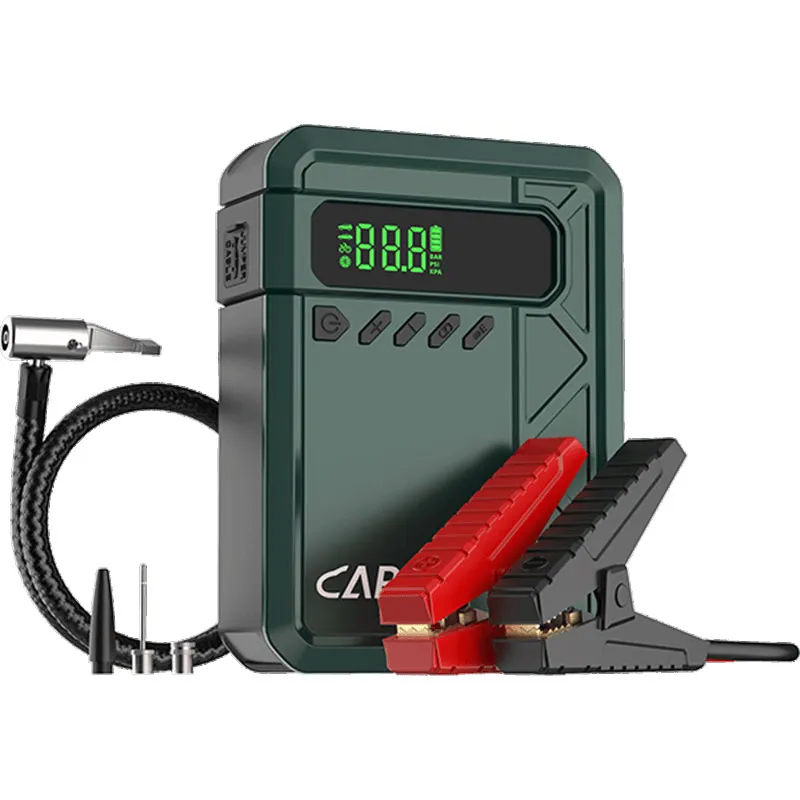
Understanding jump starter with air compressor how to use is straightforward: connect the clamps for jump-starting, or attach the air hose for tire inflation—most models feature intuitive controls that require no technical expertise.
Extended versatility: Beyond basic emergencies
The utility extends even further, for camping, outdoor travel, or off-road use. Beyond emergency tire inflation, the blower function inflates and deflates air mattresses, while its high-pressure capability (160 PSI) helps maintain optimal tire pressure for everything from car tires to sports equipment. Multiple LED lighting modes provide visibility during nighttime repairs or can serve as emergency signals.
These combo models offer added peace of mind, allowing you to inflate tires and restart your vehicle even when help isn’t close. However, it's important to note that, frequent use of the air compressor means the unit will need regular recharging, and combo devices are generally designed for convenience rather than long-term heavy-duty reliability.
Important limitations to consider:Know what you're getting
Despite these advantages, a jump starter with air compressor is best suited for drivers who value convenience, portability, and quick response in everyday 12V vehicle scenarios—not as a replacement for professional-grade equipment, but as a reliable backup when you need it most.
For occasional emergencies and typical passenger vehicle needs, a portable jump starter with air compressor for car use delivers exactly the right balance of functionality and portability.
What Is the Battery Capacity of a Jump Starter With an Air Pump?
The battery capacity of a jump starter with an air pump directly determines how much it can do on a single charge—and where its practical limits are.Understanding these specifications helps clarify what a 4-in-1 jump starter with air compressor can realistically accomplish in emergency scenarios.
What enables 4-in-1 functionality
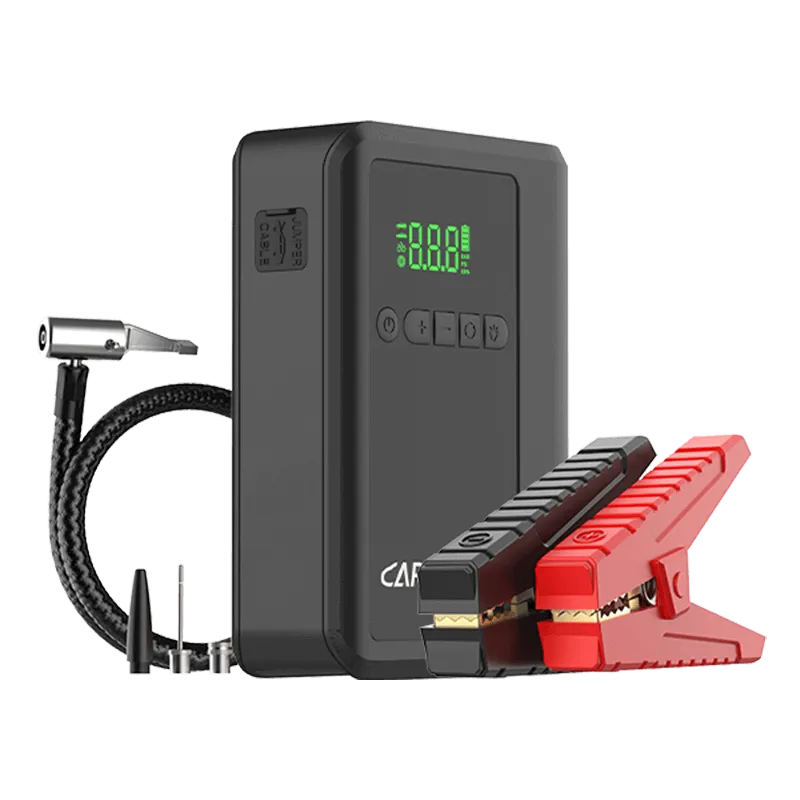
Combo jump starters rely on an internal lithium battery pack to power both jump-starting and tire inflation. A typical high-capacity unit features a 24000mAh (88.8Wh) battery—this specific energy reserve is what allows the device to function as a true 4-in-1 solution: jump starter, air compressor, power bank, and emergency light.
Models with this larger battery capacity can typically handle multiple jump starts and several tire inflations before needing to be recharged. The 3250A peak current capability enables reliable 12V jump-starts for most passenger vehicles, while the 160PSI max inflation pressure and 150L/min air flow volume handle tire inflation efficiently.
This is why battery capacity matters more than just peak amps when evaluating real-world usability.
Performance capabilities and recharge efficiency
What makes modern 4-in-1 jump starters practical for repeated use is their charging technology. With USB-C PD30W bidirectional charging (supporting 5V/3A up to 20V/1.5A), a full recharge takes approximately 3.5 hours—meaning the device can be quickly replenished between emergencies. The same USB-C port also serves as a power bank output, allowing you to charge phones or laptops at up to 30W, while the Quick Charge port (up to 12V/1.5A) provides additional device charging options.
Determining the Capacity of a Portable Jump Starter
However, there is a clear capacity boundary that users should understand. Inflating a completely flat tire consumes a significant amount of energy, especially when bringing it from 0 PSI up to driving pressure. For example, inflating a standard car tire from flat to 35 PSI may consume 30-40% of the total battery capacity, depending on tire size.
In that case, much of the stored power may be used by the air pump, leaving limited remaining capacity for jump-starting a dead battery afterward. This is the fundamental trade-off in any 4-in-1 jump starter with air compressor: the 88.8Wh battery must distribute energy across multiple functions.
Practical limitations and optimal use cases
In practical terms, a jump starter with an air pump is designed to manage typical emergencies, not unlimited back-to-back heavy loads. The compact design (230×112.5×124mm, 1.7kg) prioritizes portability, which inherently limits battery size compared to dedicated professional equipment. The -20°C to 60°C operating temperature range ensures reliability across most climates, but extreme conditions can further affect available capacity.
Battery capacity defines whether the device can perform one task reliably—or handle both inflation and boosting in sequence without recharging. For most drivers, the 24000mAh capacity strikes the right balance: sufficient for 1-2 jump starts plus 2-3 tire top-ups, or one complete flat-tire inflation plus emergency device charging—exactly what's needed for roadside self-recovery without the bulk of industrial-grade equipment.
How To Use A Jump Starter With Air Compressor?
Ultimately, it's important to learn how to use a jump starter properly. Because if you're not careful, you could hurt yourself or damage your car or battery by using a jump starter the wrong way.
Step 1: Power on the jump starter
Ensure the jump starter has sufficient charge and is switched on.
Use only the smart jump clamp with built-in protection circuitry (reverse polarity, short-circuit, over-current protection).
Step 2: Connect the smart clamp to the vehicle battery
Attach the red clamp to the positive (+) battery terminal
Attach the black clamp to the negative (–) terminal or a solid chassis ground
The smart clamp will automatically check polarity and voltage status.
If the connection is incorrect, the reverse polarity protection will prevent output and trigger an alert.
Step 3: Connect the smart clamp to the jump starter
Plug the smart clamp connector into the jump starter’s dedicated jump-start port.
The system performs a safety self-check and enables output only when conditions are safe.
Step 4: Start the vehicle
Start the engine within 3–5 seconds.
If the vehicle does not start, stop and wait 30–60 seconds before attempting again.
Do not attempt continuous cranking.
Step 5: Disconnect promptly after a successful start
Once the engine is running:
Remove the black clamp first
Then remove the red clamp
Unplug the smart clamp from the jump starter
Clamps should be removed within 30 seconds after successful starting.
NOTE: The jump-start function and the air compressor function cannot be used at the same time.
Step 6: Prepare the Air Compressor
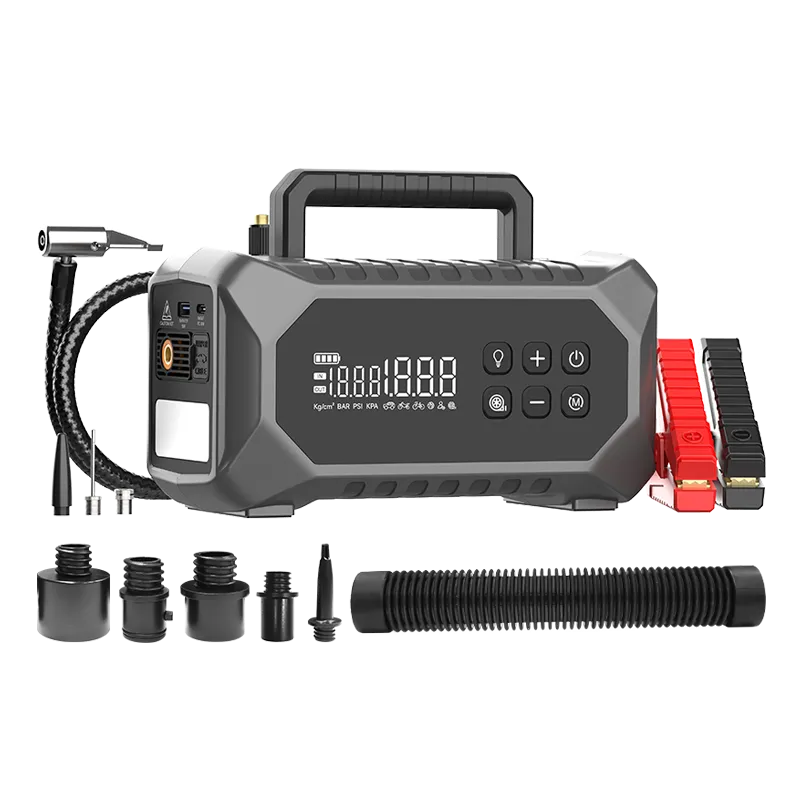
Ensure the jump starter has sufficient remaining battery power (recommended ≥30%) to support high-power operation. Locate the air hose and securely connect it to the air outlet of the device. Thanks to the high-precision cylinder and high-power motor, the compressor builds pressure quickly and operates efficiently without warm-up.
Step 7: Connect the Air Hose to the Tire Valve
Unscrew and remove the tire valve cap. Firmly attach the air hose connector to the tire valve to ensure an airtight seal and prevent air leakage.
1.Designed for high-pressure output up to 160 PSI
2.Compatible with cars, SUVs, bicycles, and other inflatable items
Step 8: Set the Target Pressure
Turn on the air compressor mode.Use the control buttons to select your preferred pressure unit (PSI / BAR / KPA).Set the target pressure according to your vehicle’s standard tire pressure, with JS-558’s intelligent pressure monitoring system delivering accurate real-time readings for precise and controlled inflation.
Step 9: Start Inflation
Press the Start button to initiate inflation.
The high-power motor drives rapid airflow, delivering fast inflation with stable high-pressure output.
Even at higher pressure levels, the compressor maintains consistent performance without power drop-off.
Step 10: Automatic Stop and Disconnection
Once the preset pressure is reached, the compressor will automatically stop.
If operating in manual mode, stop inflation once the correct pressure is achieved.
Disconnect the air hose and reinstall the tire valve cap.
The auto-stop function helps prevent over-inflation and enhances operational safety.
Step 11: Cooling After Use the jump starter air compressor
After continuous or high-load operation, allow the air compressor to cool down before storage or reuse.
Proper cooling helps maintain long-term performance and extends product lifespan.
Once you understand how to use a jump starter with an air compressor, the next question isn’t how — but how to choose the right one.
So, how do you know which jump starter with an air compressor actually makes sense for your needs? This becomes especially important when comparing different models, such as 4-in-1 vs 6-in-1 jump starters with air compressors. That usually comes down to how many functions you really need—and how different configurations compare in real-world situations.
Frequently asked questions
1.Can a jump starter inflate a completely flat tire?
Yes, depending on battery capacity and tire size. Most jump starters with an air compressor can inflate a tire from very low pressure, including near-flat conditions. However, bringing a tire from 0 PSI to full driving pressure consumes a large amount of energy, which may significantly reduce the remaining battery capacity for jump-starting afterward.
2.How long does it take to inflate a tire?
It depends on the tire size and pressure range.Inflation time varies based on tire volume, starting PSI, and the compressor’s output. Jump starter inflators are designed for emergency use, not high-speed inflation, so the process typically takes longer than with a standalone, high-flow inflator.
3.Can a jump starter replace a standalone inflator?
No, it’s a backup—not a replacement. A jump starter with an air compressor prioritizes portability and emergency convenience. While it’s effective for occasional tire inflation, frequent or heavy-duty use is better handled by a dedicated standalone inflator.





 Jump Starter ODM/OEM Solutions
 Portable Power Station ODM/OEM Solutions
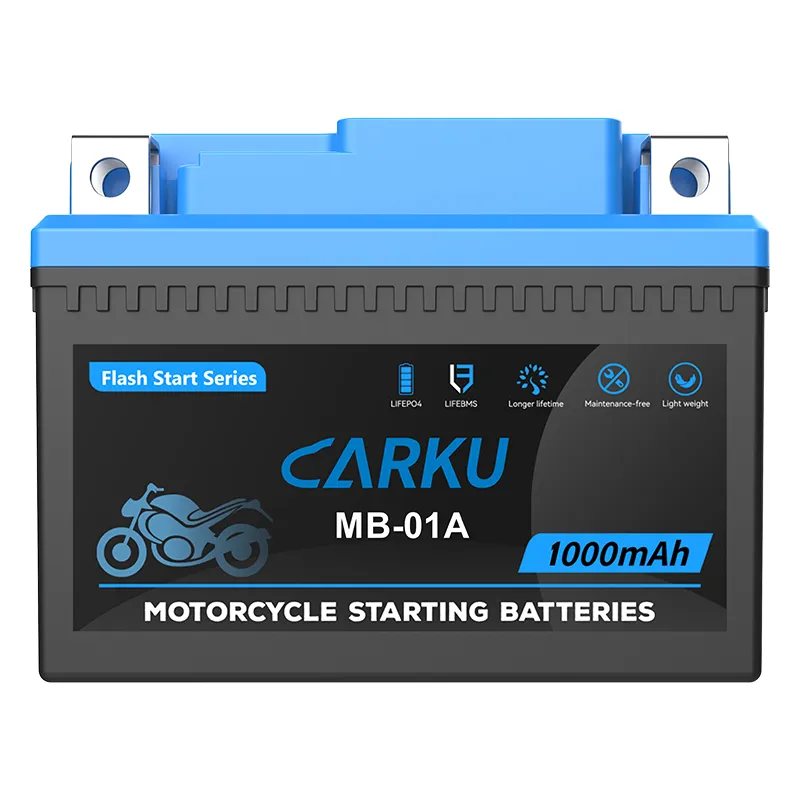
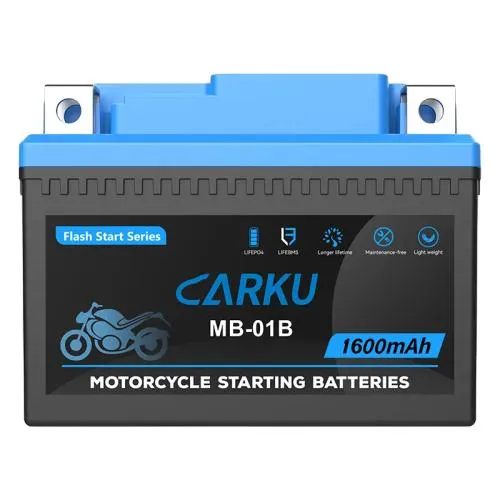
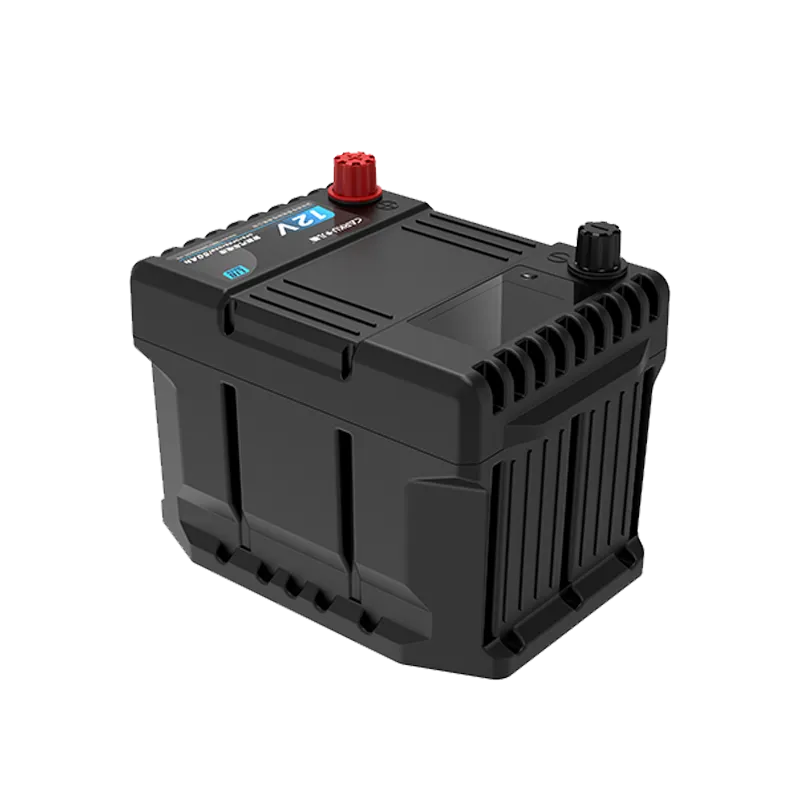
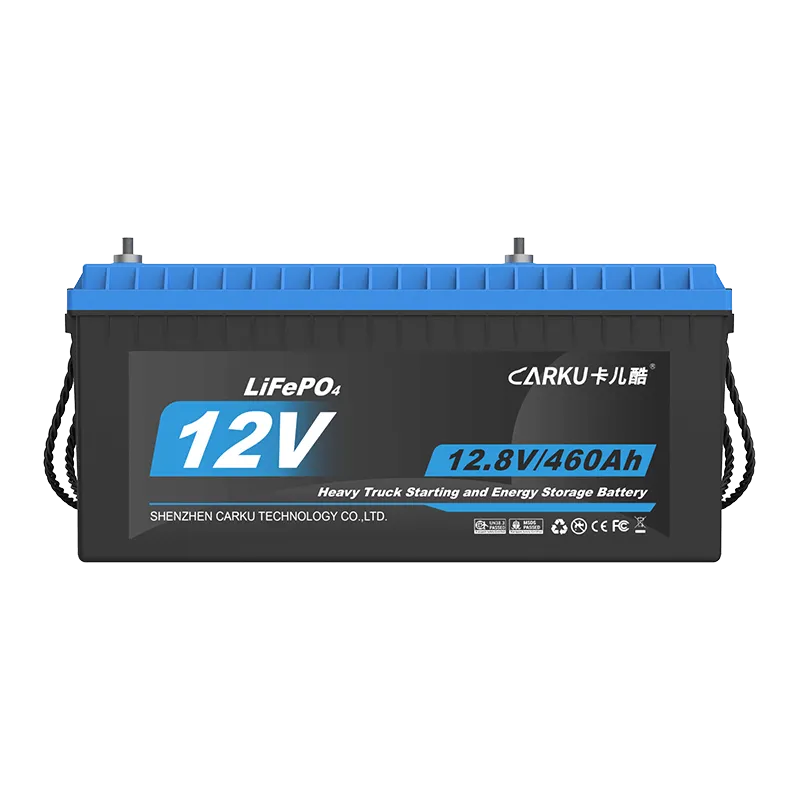
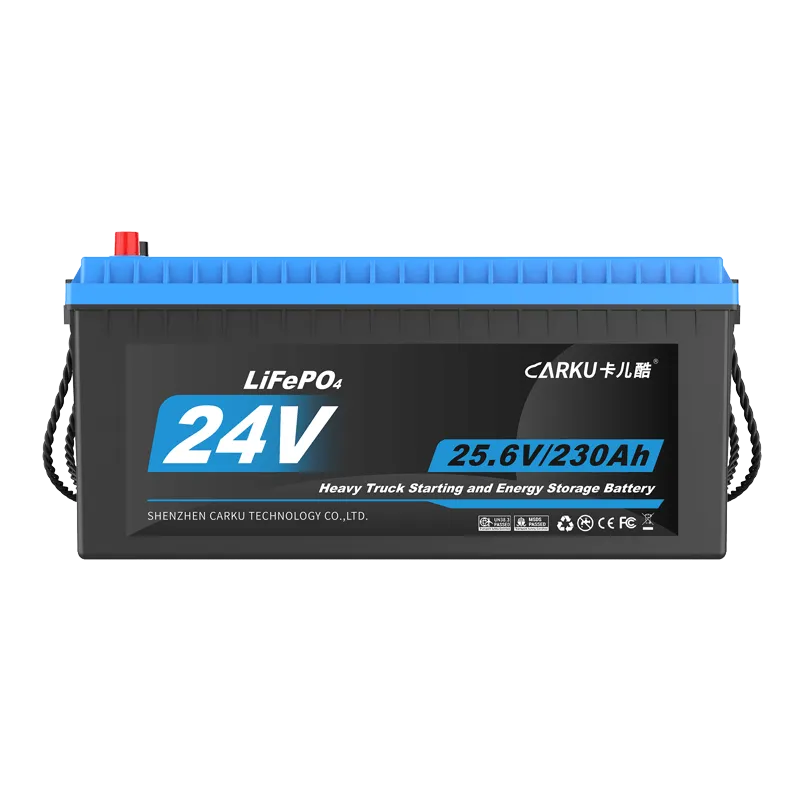
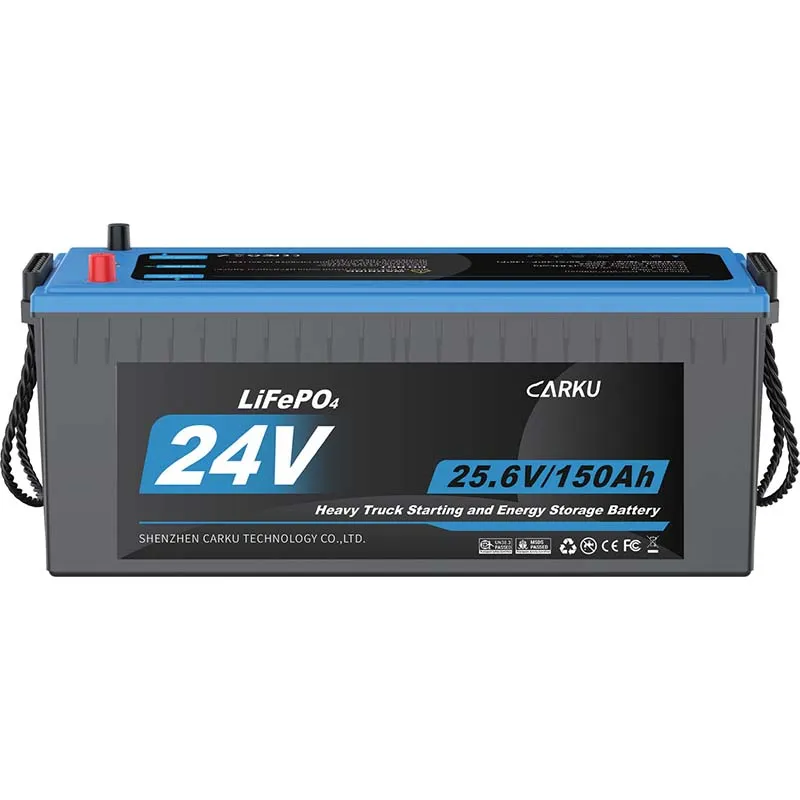
 Starting Battery ODM/OEM Solutions
 ABOUT CARKU
 STRENGTH FACTORY
 THE DEVELOPMENT HISTORY OF CARKU
 CORE COMPETITIVENESS
 COMPANY CULTURE
 QUALIFICATION
 CARKU News
 CARKU Exhibitions
 CARKU Battery Applications