When the Heat Strikes: The Critical Moment of Truth Without an Emergency Jump Starter
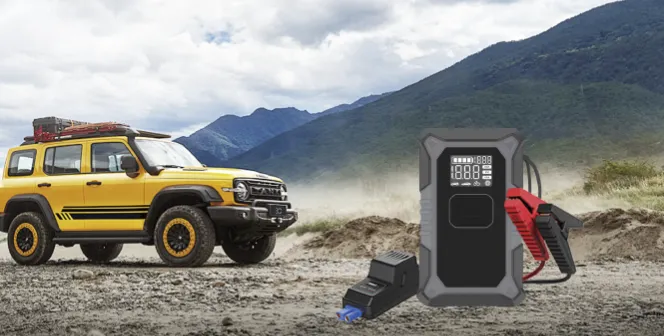
The moment every driver dreads. You're ready to leave. You turn the key. Nothing happens.In extreme heat, this isn't just inconvenient—it's dangerous. You're stuck in a parking lot with temperatures rising, no shade, and your car refusing to start.
Why Heat Makes It Worse
1.Normal problem: AAA gets calls for flat tires, dead batteries, and lockouts
2.Heat zones: AAA handled 1.93 million battery emergencies in summer 2023 alone
The Real Problem: When it's 110°F outside, you can't wait for help. You need your car to start NOW.This is when emergency jump start isn't just convenient—it's essential.
How to Charge Portable Jump Starter
Why propler charging matters.Your portable jump starter is only as reliable as its charge level. A dead jump starter when you need it most defeats the entire purpose of carrying this emergency tool.
Pre-Charging Checklist
1.Read your portable jump starter's manual first. Different models have specific charging requirements, voltage settings, and safety protocols that vary by manufacturer.
2.Check the current charge level using the built-in LED indicators or digital display. Most units show charge status through color-coded lights or percentage readings.
3.Ensure you're in a safe charging environment. Choose a well-ventilated area away from extreme temperatures, moisture, or flammable materials.
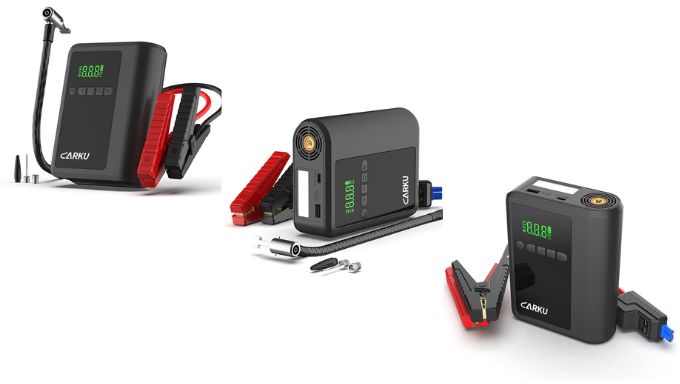
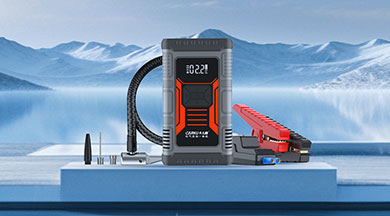
IMAGE:JS-557 Portable Jump Starter With Air Compressor
3 Ways For Charging When Using a Portable Jump Starter
Wall Outlet Charging (Most Common)
Connect the AC adapter per the manufacturer's instructions. Plug the charging cable into your portable jump starter's charging port, then connect to a standard wall outlet.
Position the unit safely during charging. Place on a flat, stable surface away from direct sunlight or heat sources. Never charge inside a closed vehicle or confined space.
Resist the urge to use the jump starter while charging. This can damage the internal battery and reduce its lifespan significantly.
IMAGE:JS-557 Portable Car Jump Starter With Accessories
12V Car Socket Charging
Use the provided 12V adapter when you need to charge on the road. This method is slower but essential for maintaining charge during long trips.
Keep your vehicle running while charging to avoid draining your car's battery. The alternator needs to be active to provide sufficient power.
USB Charging (Smaller Units)
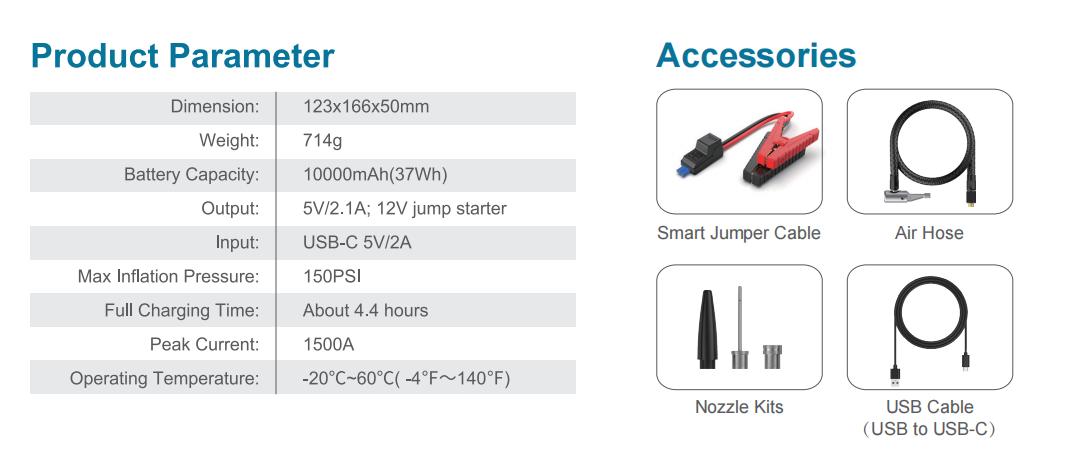
Connect using the USB-C or micro-USB cable for compact jump starters. Use a high-quality wall adapter (2.1A or higher) for optimal charging speed.
Safety During Charging
Monitor the charging process regularly. Most modern portable jump starters have overcharge protection, but visual inspection ensures everything is functioning properly.
Never leave charging unattended overnight unless your model specifically states it's safe to do so with automatic shut-off features.
Disconnect immediately if you notice:
1) Excessive heat generation
2) Unusual odors
3) Swelling of the unit
4) Error indicators on the display
Super Capacitor vs Lithium Battery Jump Starter – Choose Smart, Start Fast
When you're planning the ultimate road adventure on National Road Trip Day, the last thing you want is a dead battery in the middle of nowhere. That's where an emergency auto jump starter becomes an essential part of your car emergency kit. But here’s the question—should you choose a supercapacitor jump starter or a lithium battery jump starter?
Each technology has its own strengths and ideal use cases. Let’s break down the differences to help you make a smart choice before hitting the road.
The table below highlights 12/24 volt jumo box specifications:
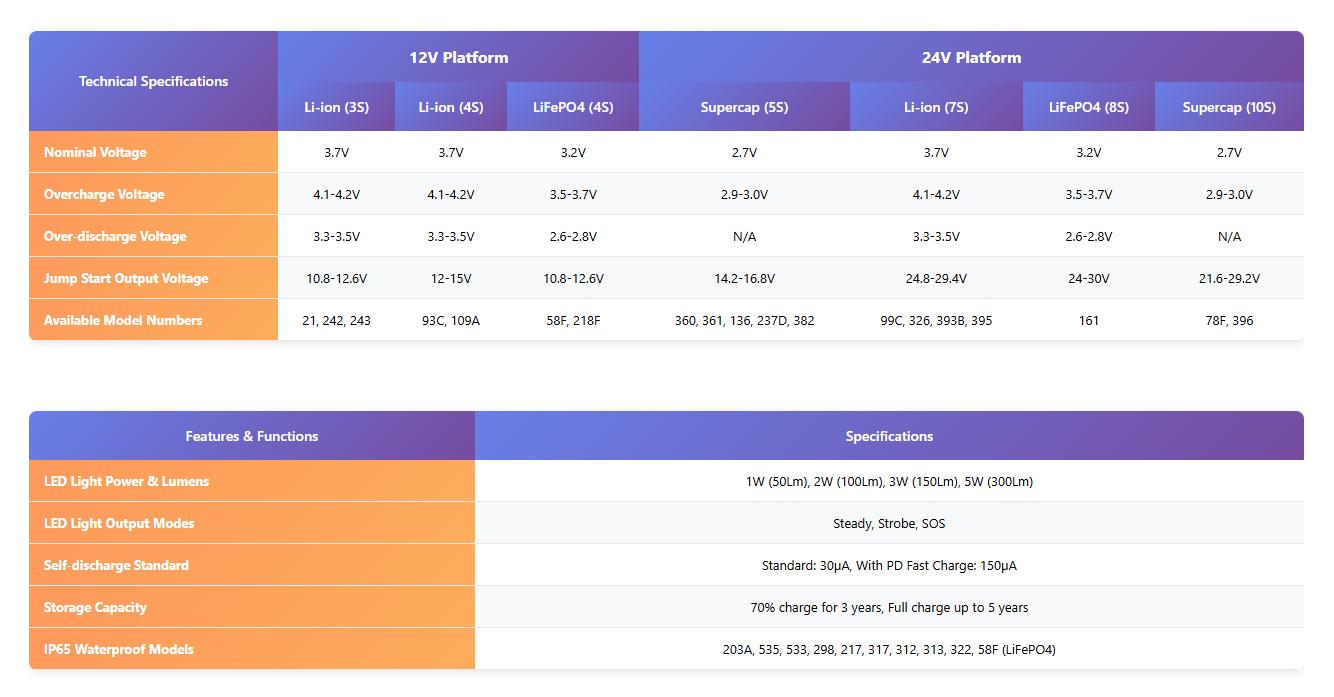
IMAGE:12volt jump starter vs 24volt portable car jump starter
What's the Difference Between Lithium Battery and Supercapacitor Jump Starter?
Lithium battery jump starters store energy in rechargeable lithium cells, ready to deliver high power instantly. They're portable, hold charge well over weeks, and often come with USB ports or lights.
Supercapacitor jump starters, on the other hand, don’t store long-term energy. Instead, they draw small amounts of energy from a weak car battery (or other source), amplify it rapidly, and deliver a massive burst to start your engine—even in extreme cold.
The table below highlights the comparison between super capacitor jump starter and lithium battery:
Which One Is Right for Your Road Trip?
If you’re building a car emergency kit for national road trip day, think about your route:Going through snowy mountains or subzero terrain? A super capacitor jump starter like the CARKU 24V SC model is a rugged, long-term investment.Planning highway stops or summer family trips? A Lithium Battery jump starter like the JS557 (1500A) gives you versatility, USB charging, and flashlight functions in one compact unit.
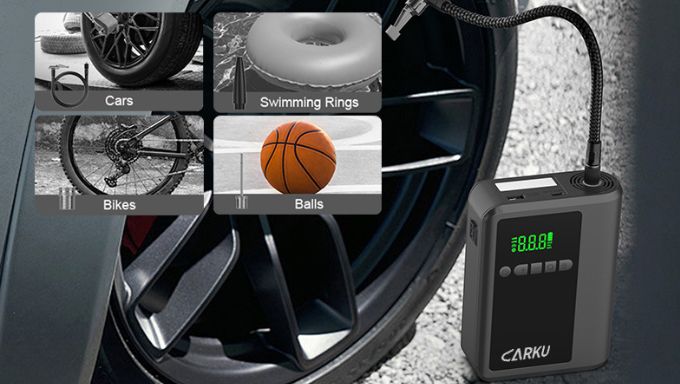
Understanding the Carku JS557: A Powerful 1500A Lithium Jump Starter
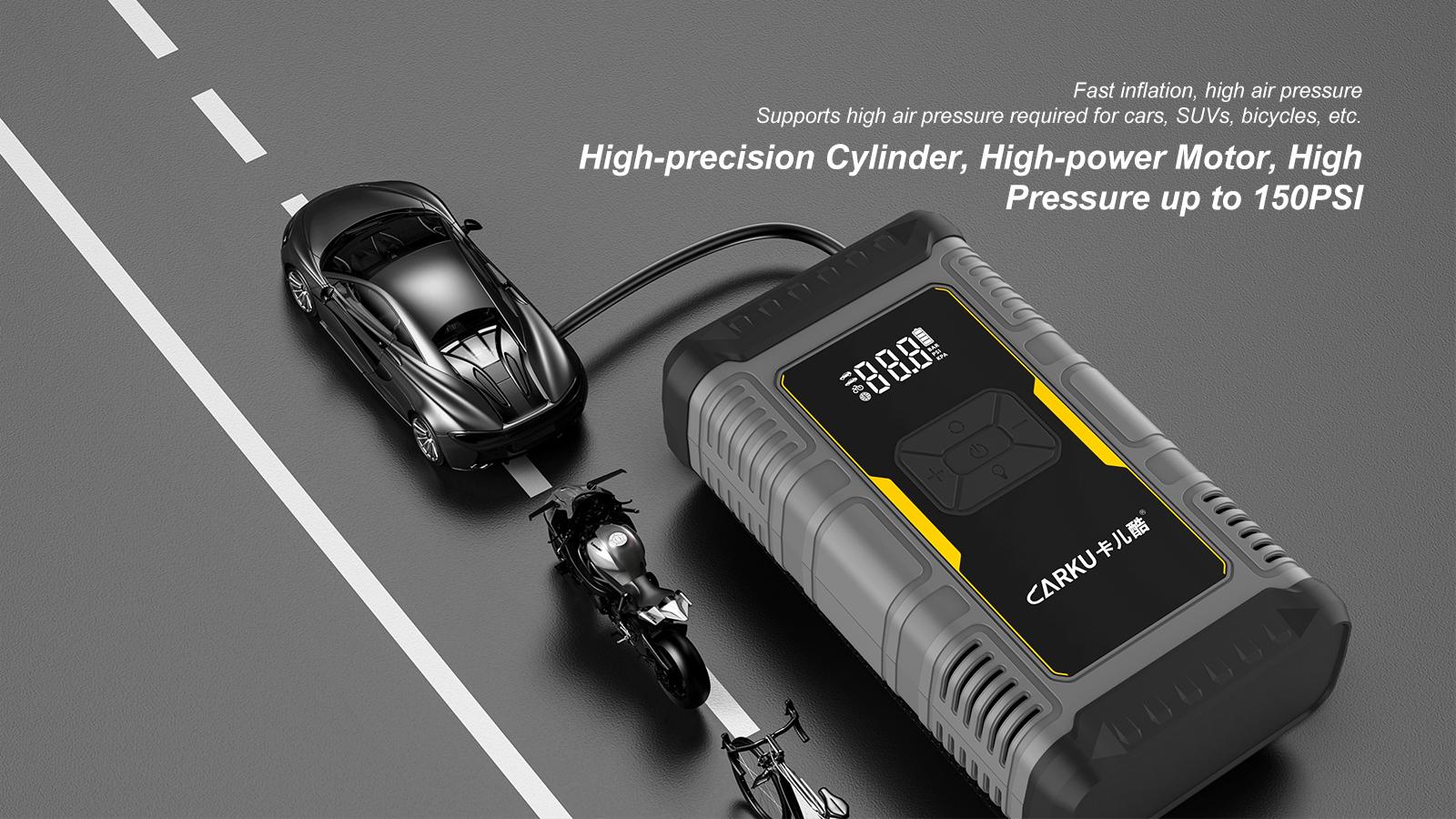
As an emergency portable jump starter, the JS-557 is not only capable of jumpstarting a car or SUV but can also inflate a tire when it is deflating.If you’re exploring how to properly charge a jump starter, chances are you’re looking for a model that’s powerful, safe, and travel-ready.
One popular option is the Carku JS-557, a 1500A lithium-powered 12V portable jump starter designed for everyday drivers and road trip enthusiasts alike.
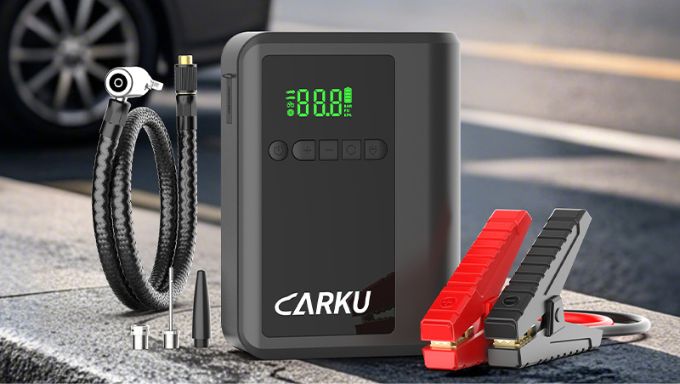
12volt JS-557 vs. 24volt JS-78F: Different Tools for Different Needs
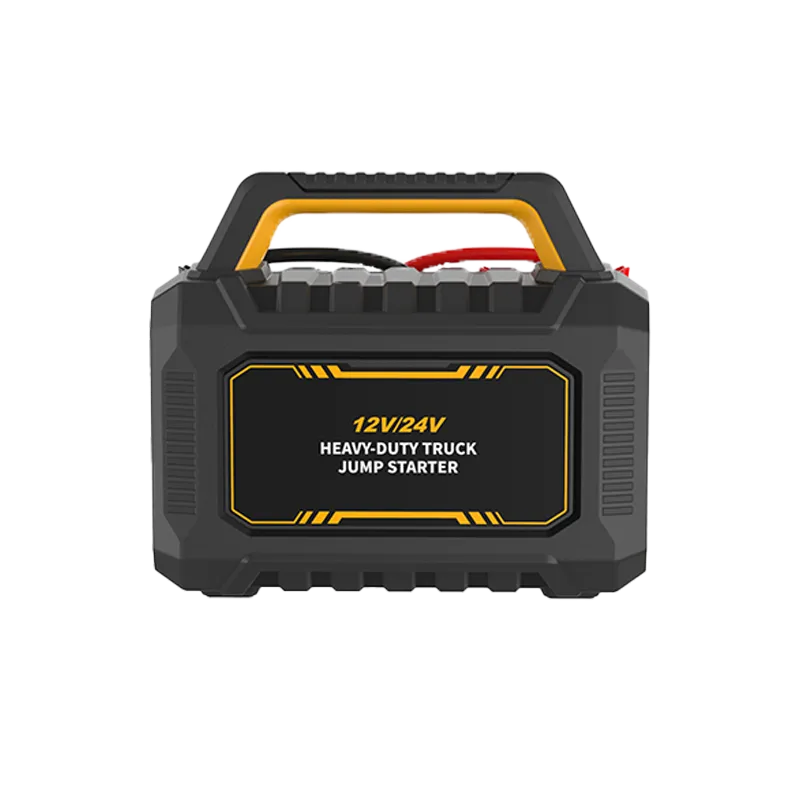
While the Carku JS-557 is a powerful 12V lithium portable jump starter ideal for personal vehicles, it's important to note that it serves a different purpose compared to super capacitor models like the JS-78F.
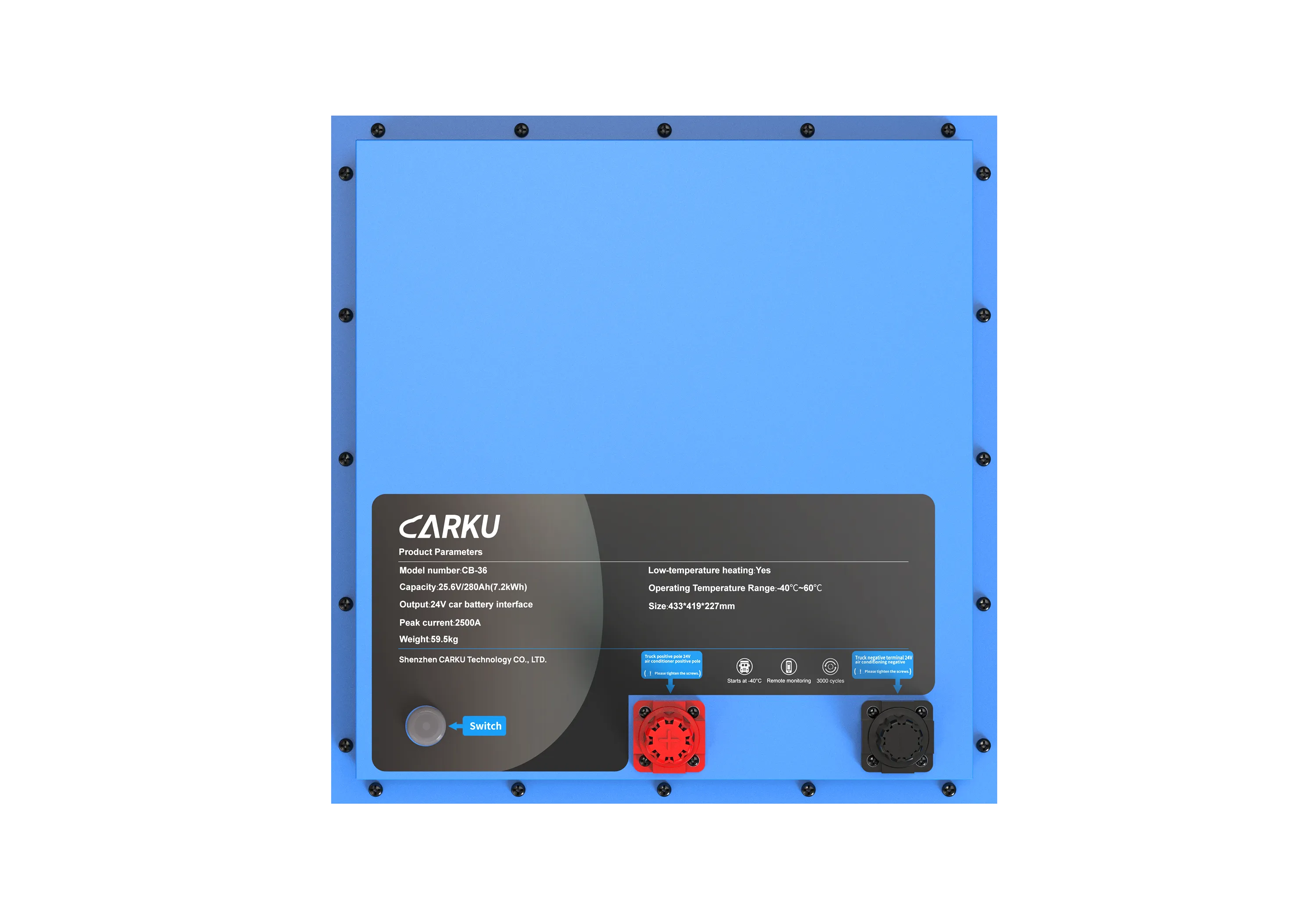
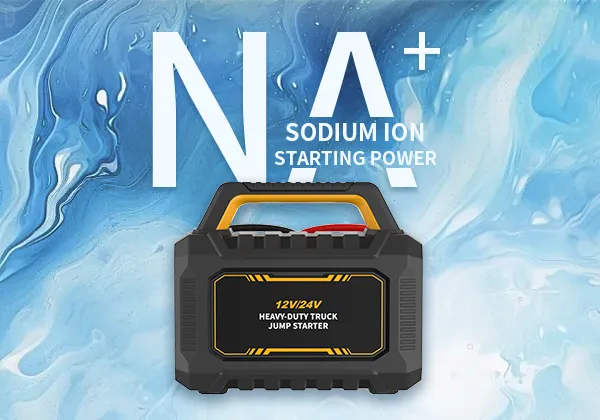
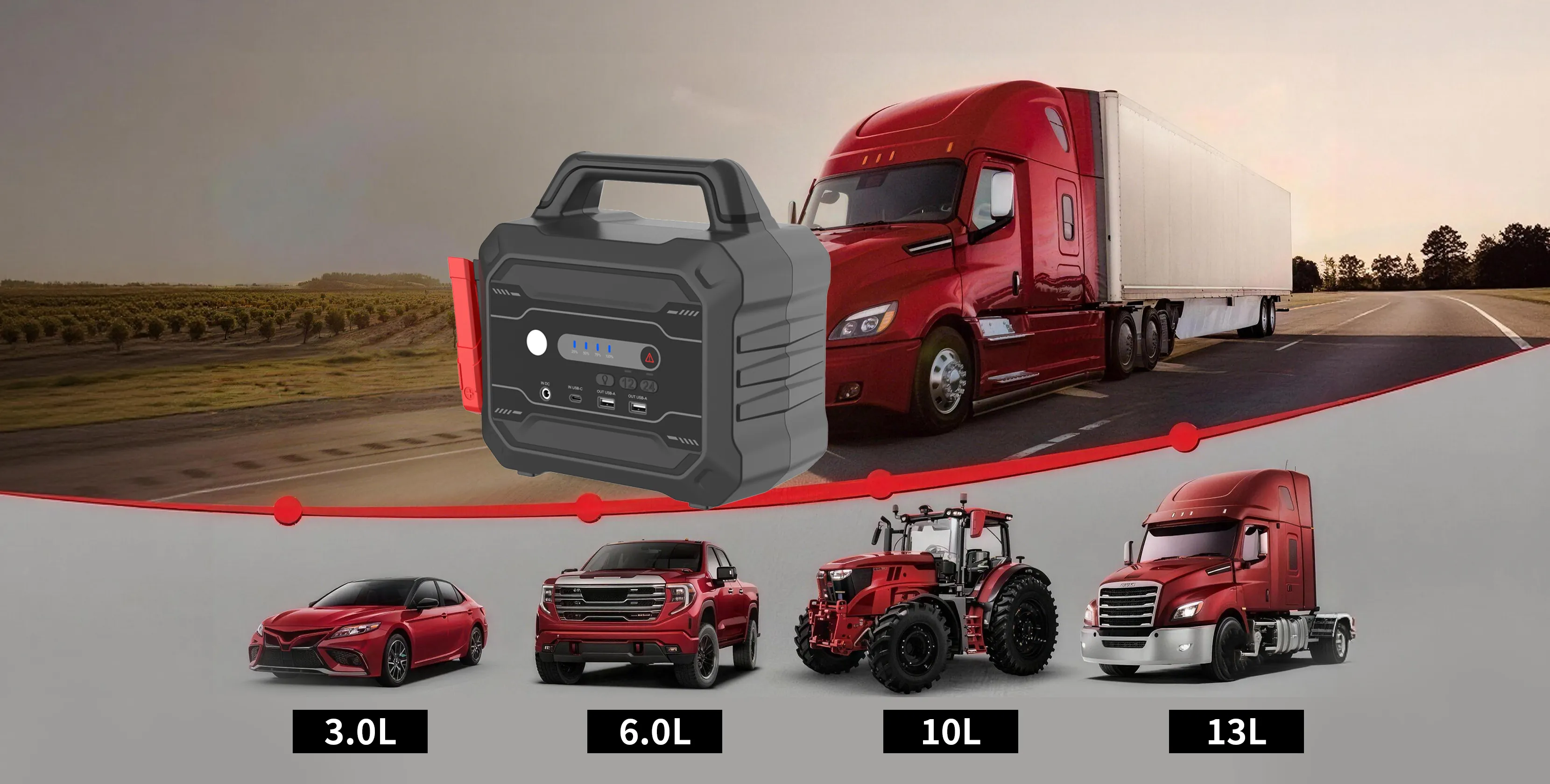
If you're searching for the best super capacitor jump starter, especially for larger 24V systems, the JS-78F offers a heavy-duty solution designed for trucks, buses, and fleet vehicles. It belongs to a different category of emergency tools often referred to as 12/24 volt jump boxes, built for instant power delivery even in extreme cold.
FAQs
How long does it take to jumpstart a car/SUV?
The JS-557 auto emergency jump starter is a portable 12V battery jump starter you can carry anywhere. Typically, it takes about 30 seconds to 1 minute to jumpstart a 12V battery, depending on the battery’s condition and vehicle type. After connecting the jump starter, wait a few seconds before attempting to start the engine to ensure sufficient power delivery.
How many amps does it take to jumpstart a car?
The JS-557 jump starter provides a peak current of 1500A, which is sufficient to jumpstart most 12V cars. Typically, jump starting a car requires between 200A and 600A depending on the engine size and battery condition. For detailed specifications, you can contact us to get the JS-557 datasheet.
You Might Also Like:
How Do Jump Starting A Vehicle Work
CARKU 12V Jump Starter Unboxing Video | 2025 Reviewed




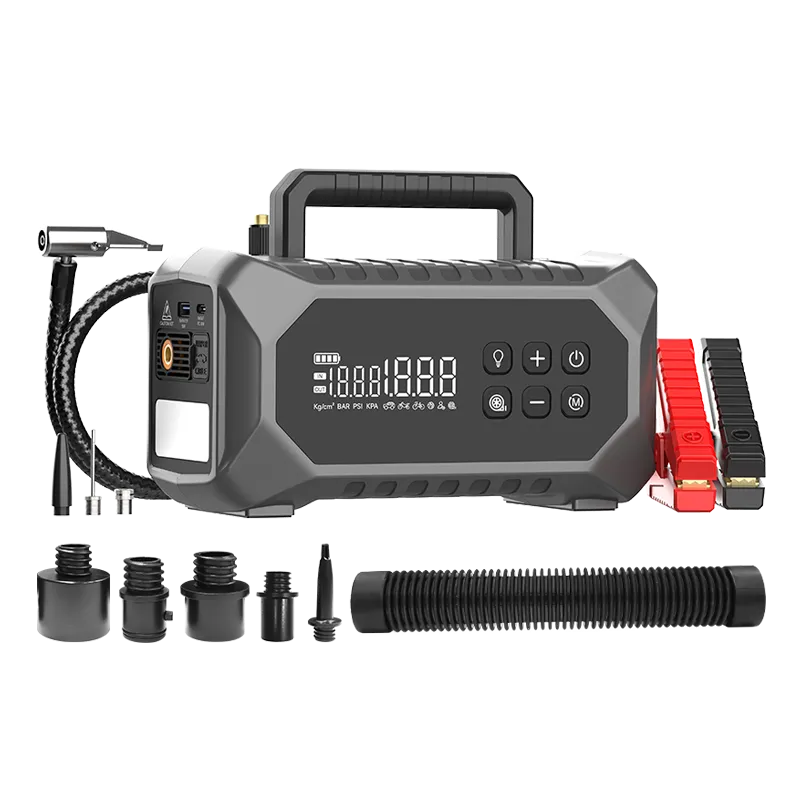
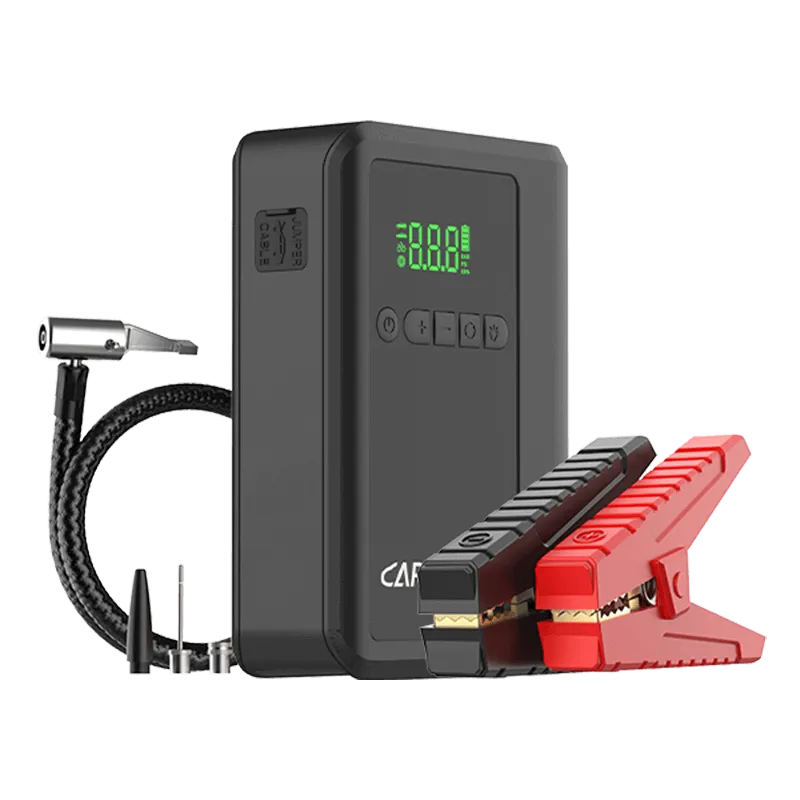
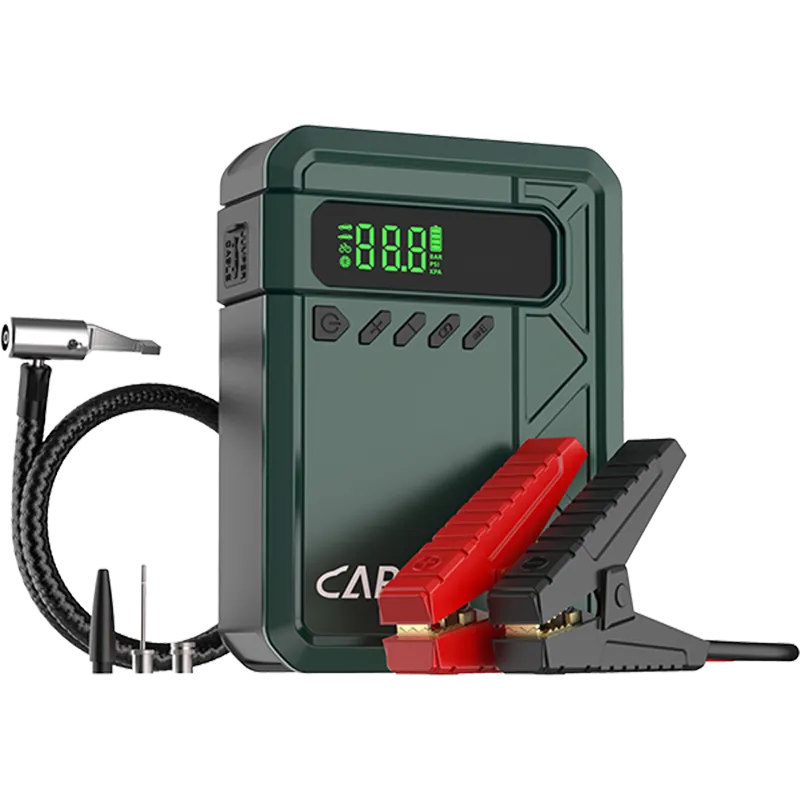
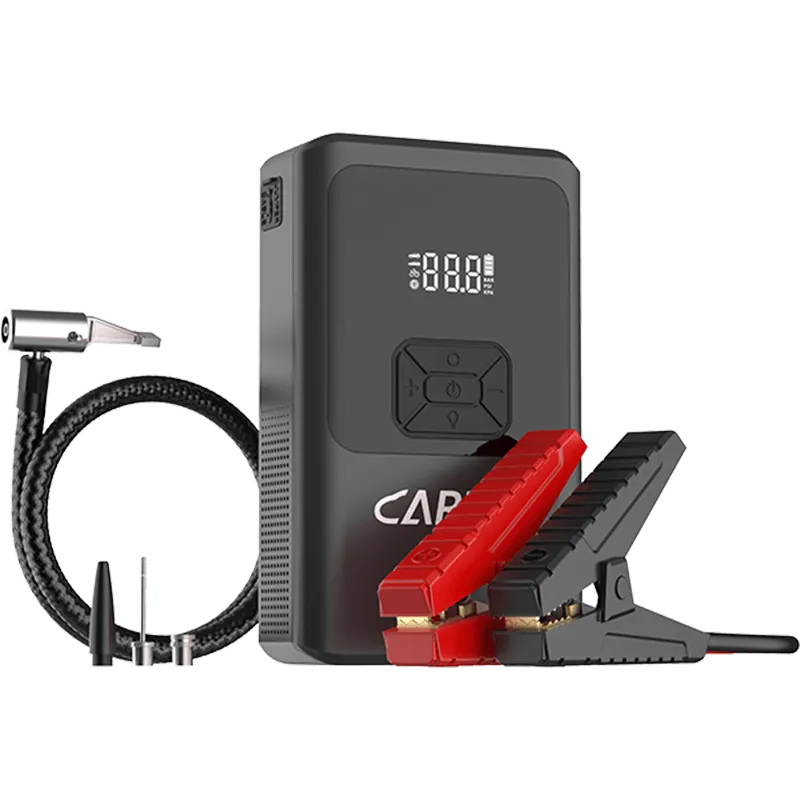




 Jump Starter ODM/OEM Solutions
 Portable Power Station ODM/OEM Solutions
 Starting Battery ODM/OEM Solutions
 ABOUT CARKU
 STRENGTH FACTORY
 THE DEVELOPMENT HISTORY OF CARKU
 CORE COMPETITIVENESS
 COMPANY CULTURE
 QUALIFICATION
 CARKU News
 CARKU Exhibitions
 CARKU Battery Applications