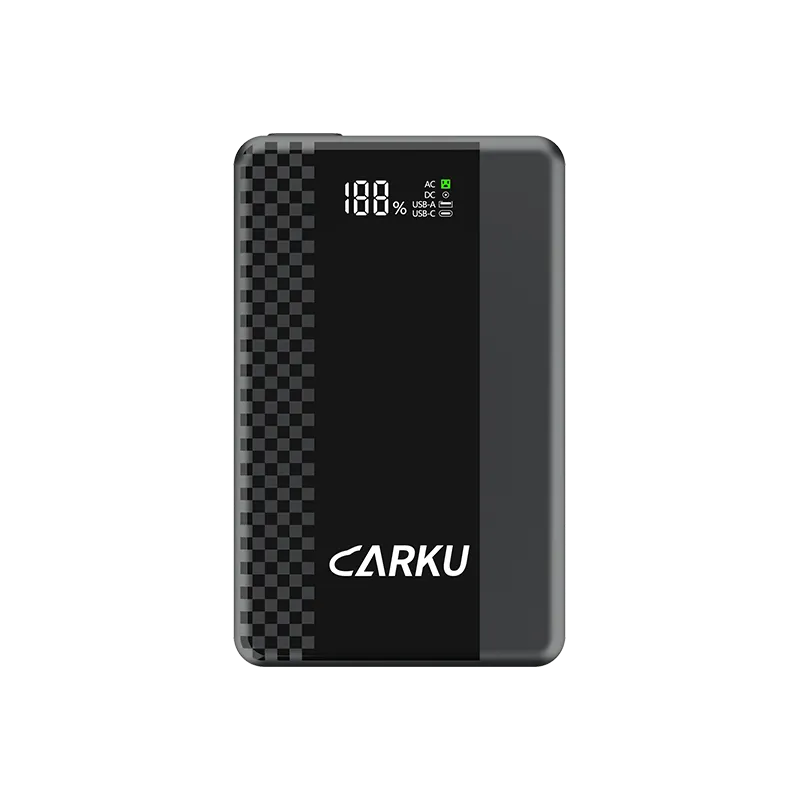
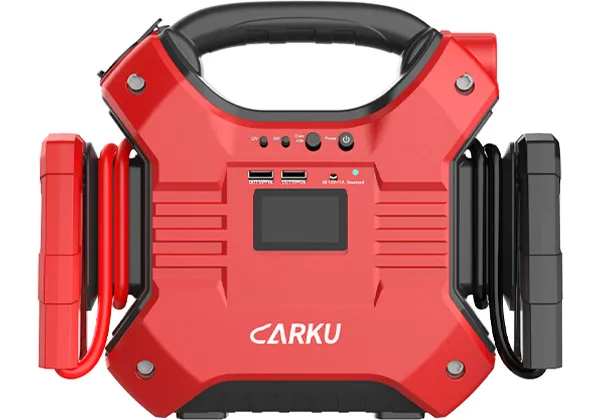
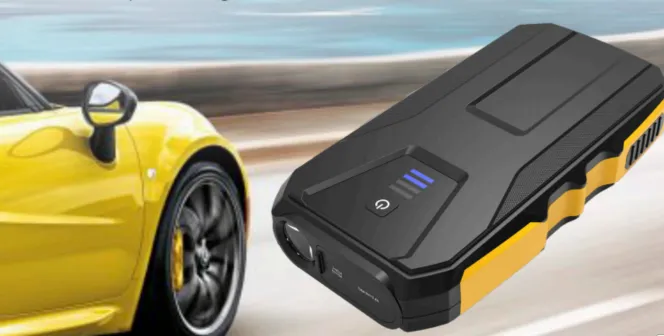
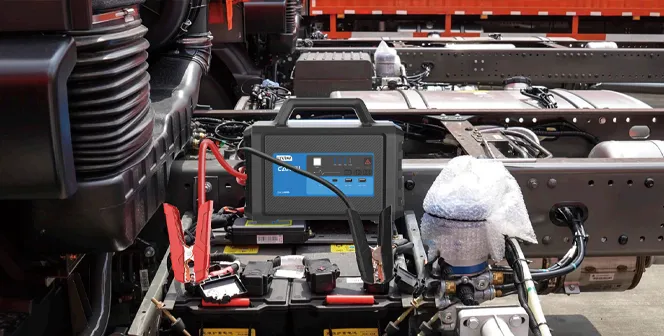
As energy demands shift, the traditional lead-acid battery can no longer meet real-world expectations. This article explains why the LiFePO₄ battery has replaced lead-acid battery technology—not only in energy storage, but also in jump starters and starting batteries for fuel vehicles. With faster cranking, stable voltage, longer lifespan, and reduced maintenance, LiFePO₄ helps engines start more efficiently, lowers long-term costs, and supports better fuel economy through reliable power delivery.
Why Lead-Acid Batteries Became the Bottleneck?
Lead-acid batteries once dominated the energy storage field, valued for their low cost and stable chemistry. However, as modern energy systems evolved—especially in renewable and off-grid applications—the inherent design limitations of lead-acid batteries became increasingly apparent. Beneath this familiar technology lies fundamental inefficiencies that today’s demands can no longer tolerate.
Rated Capacity vs. Usable Capacity
On paper, lead-acid batteries often show large capacity ratings, but real users quickly discover that only about half of this capacity is safely usable. Most manufacturers and experienced operators recommend keeping the depth of discharge (DoD) above 50% to avoid premature aging. This means a nominal 100 Ah lead-acid battery effectively delivers only 50 Ah of practical energy. In real-world systems, this inefficiency translates into larger battery banks, higher upfront costs, and wasted space—essentially buying twice the capacity just to use half. Online discussions and user feedback consistently highlight this frustration, demonstrating how nominal capacity figures can mislead practical system design and create unnecessary limitations for lead-acid technology.
Not Built for Daily Deep Cycling
The deeper issue lies in the chemistry itself. Lead-acid batteries were originally engineered for standby and starting purposes—scenarios with shallow, infrequent discharge. When deployed in solar or off-grid systems that demand daily deep cycling, their lifespan declines sharply. Each deep discharge stresses the lead plates, increases sulfation, and shortens service life. What once functioned adequately for occasional backup now becomes a significant maintenance burden. This cycle-related fragility makes lead-acid batteries a poor fit for continuous-use applications, including renewable energy storage and electric mobility.
Together, these two limitations—low usable capacity and poor deep-cycle durability—turn lead-acid batteries into a bottleneck for today’s energy systems. As renewable generation and electric vehicle efficiency improve, storage demands grow, and the battery becomes the weakest link. This is why LiFePO₄ batteries, with their higher usable capacity, stable voltage, and long cycle life, naturally emerge as the successor technology, overcoming the bottlenecks that have long constrained lead-acid systems.
Why LiFePO4 Performs Better in Real Systems
Unlike traditional lead-acid batteries that struggle with efficiency and longevity, LiFePO₄ stands out as a chemistry built for real-world use.
Pros
-
Higher Usable Capacity – Users can safely discharge 80–90% of the battery, compared with ~50% for lead-acid, allowing more practical energy per cycle.
-
Long Cycle Life – Thousands of stable charge–discharge cycles mean users experience years of operation with almost no measurable capacity loss, reducing replacement frequency.
-
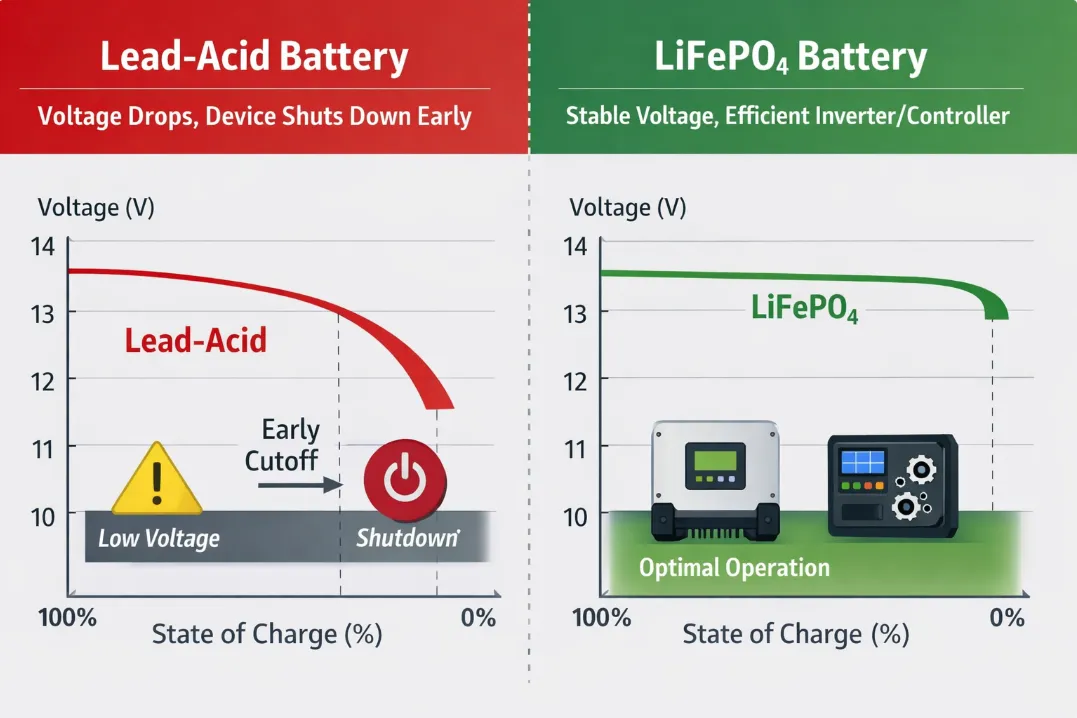
Flat Voltage Curve – Provides consistent power delivery throughout most of the discharge cycle, keeping inverters and controllers running efficiently without early cutoffs.
-
System Design Flexibility – Supports deep discharges and stable performance, letting engineers or users avoid oversizing and minimize complex charge management.
-
Better Long-Term Economics – Although the upfront cost is higher, lower maintenance and longer lifespan make LiFePO₄ cheaper over time.
-
Reliability in Real-World Use – Performs well in continuous-use scenarios like renewable energy systems, electric mobility, and off-grid applications.
Cons
-
Higher Initial Cost – LiFePO₄ batteries are more expensive upfront than traditional lead-acid batteries.
-
Low-Temperature Charging Limitations – Performance can decrease at extremely low temperatures, requiring careful system design in cold climates.
-
BMS Dependency – Safe operation often depends on a battery management system (BMS), adding complexity to the setup.
Advantages That Make Lead-Acid Uncompetitive
Higher Usable Capacity – Lead-Acid batteries can only safely use ~50% of their rated capacity, whereas LiFePO₄ batteries allow 80–90% depth of discharge.
Much Longer Cycle Life – Lead-Acid typically lasts 300–500 cycles at moderate depth, while LiFePO₄ achieves 2000–5000 cycles.
Stable Voltage Output – Lead-Acid voltage drops steadily during discharge, but LiFePO₄ maintains a flat voltage curve for most of the discharge cycle.
Lower Weight and Size – LiFePO₄ batteries are up to 60–70% lighter and smaller than equivalent Lead-Acid batteries.
Minimal Maintenance – Lead-Acid requires regular water topping and equalization charging; LiFePO₄ is almost maintenance-free.
What LiFePO4 Batteries Really Do for Users
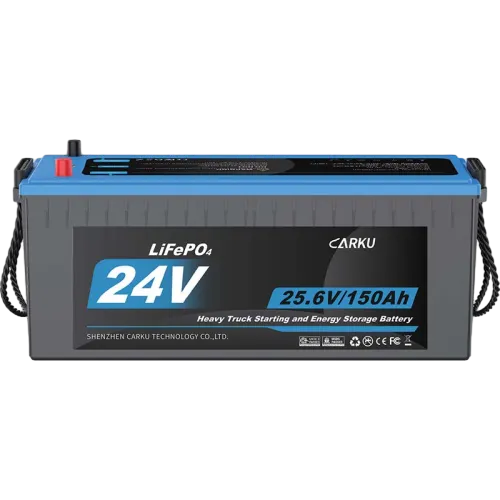
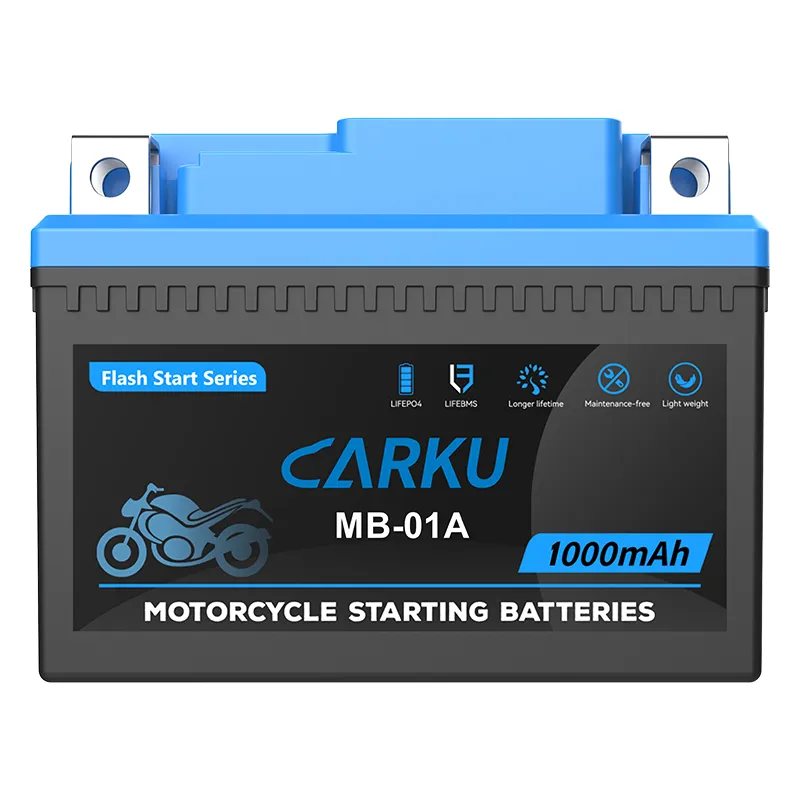
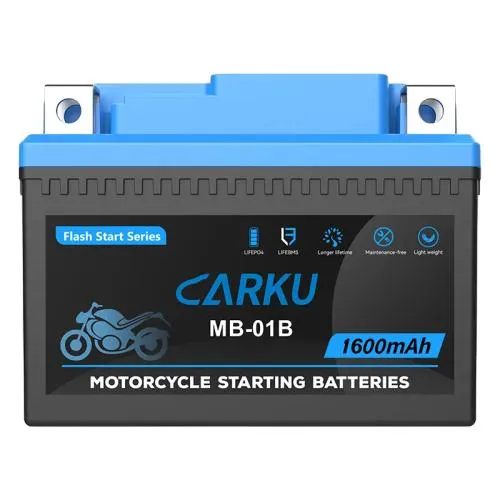
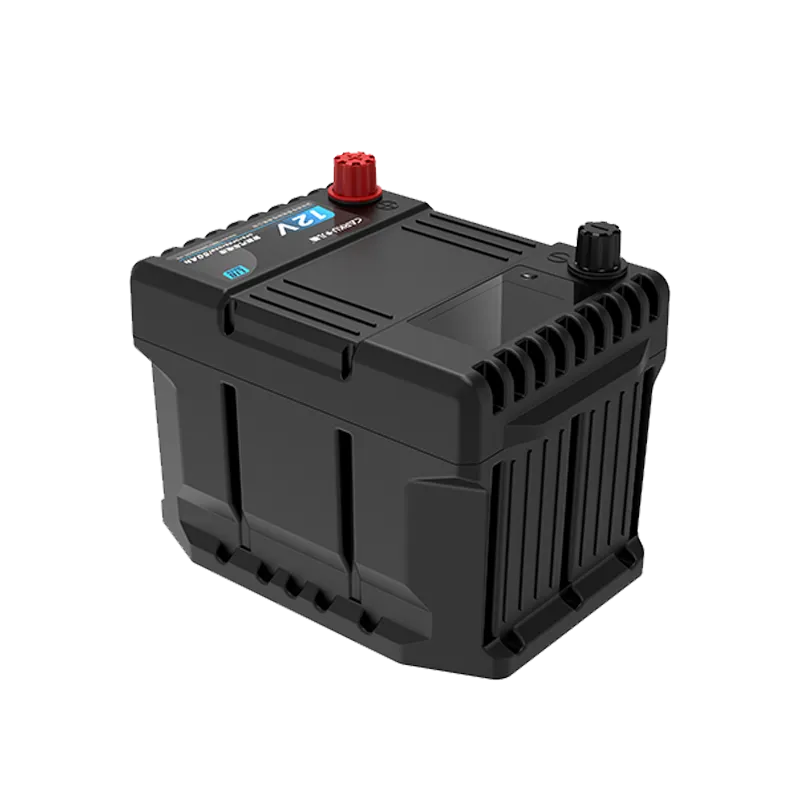
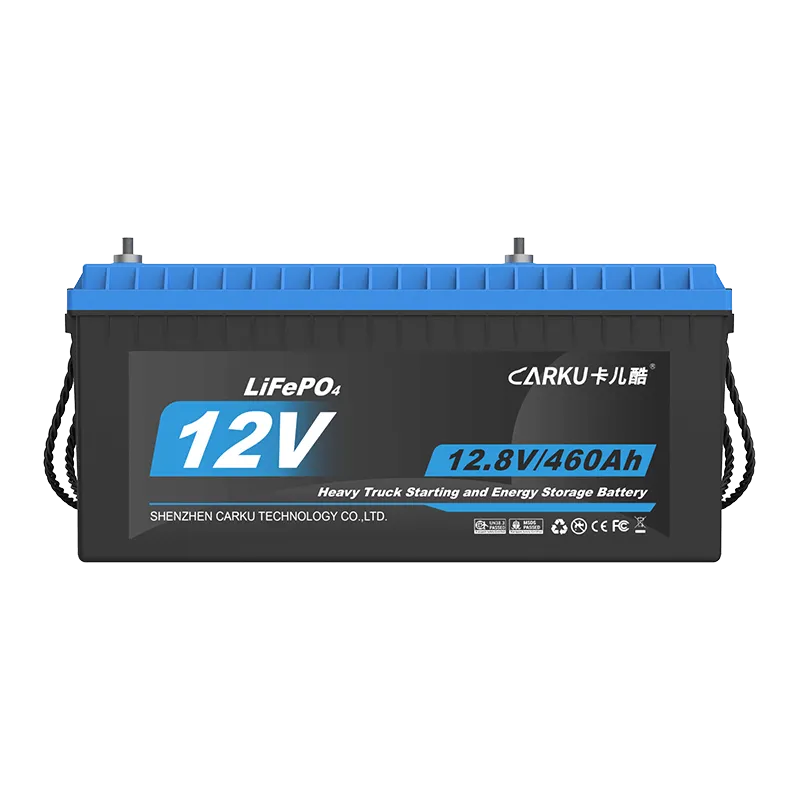
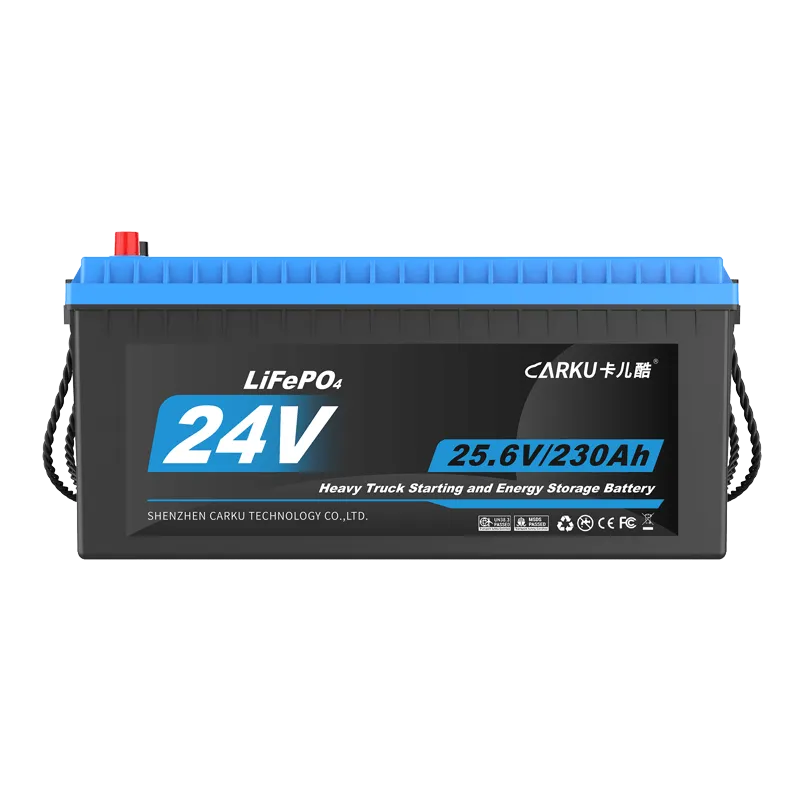
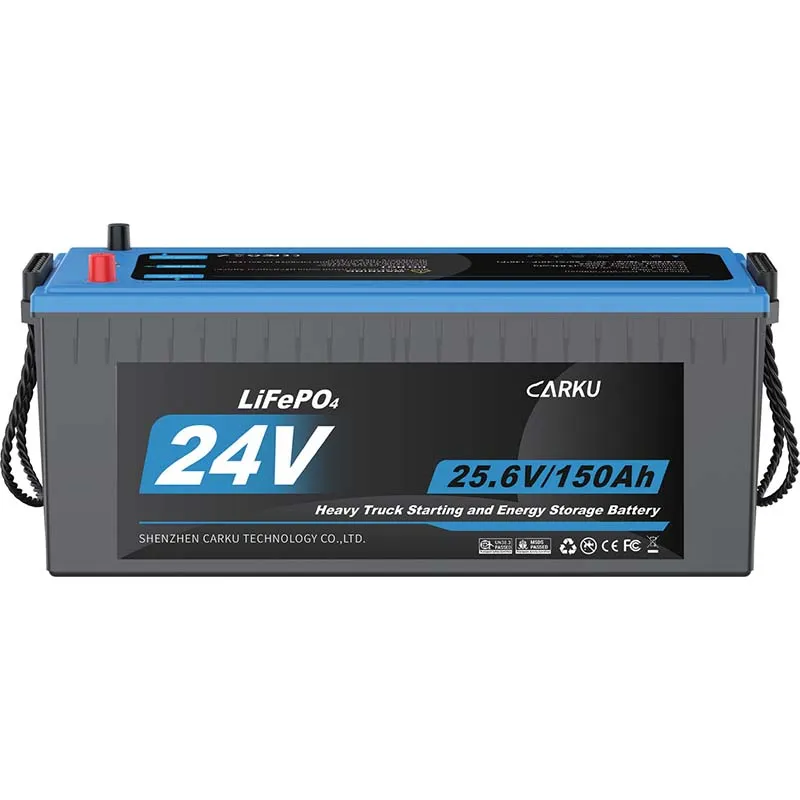
When using a LiFePO₄ starting battery equivalent to two traditional Lead-Acid batteries, the difference in user experience becomes immediately noticeable. The LiFePO₄ starting battery costs around $550 upfront, but it requires no replacement and virtually no maintenance for 5 years. It also performs reliably across a wide operating temperature range of -40°C to 60°C, something traditional lead-acid battery technology struggles to achieve.
By comparison, owning lead-acid batteries over the same period is much more expensive and cumbersome. The initial purchase costs range from $400 to $600, and batteries typically need to be replaced every 2–3 years at $800–$1200, with additional annual maintenance costs of $100–$200, bringing the total 5-year cost to $1300–$2000.
Switching to a LiFePO₄ starting battery not only reduces long-term costs but also provides a smoother, more convenient handling and transport experience for your vehicle.
In conclusion
The move from a traditional lead-acid battery to a LiFePO₄ battery is felt most clearly in daily use. Once installed, it simply works—starting the engine with confidence, delivering stable power, and removing the constant worry of unexpected battery issues. For fuel vehicles, this means smoother starts, fewer maintenance hassles, and more efficient use of electrical power over time. Instead of frequent replacements and ongoing upkeep, users gain long-term reliability and peace of mind. Ultimately, choosing a LiFePO₄ battery is not just an upgrade in technology, but a smarter, safer, and more effortless way to power your vehicle—saving time, money, and unnecessary trouble in the long run.






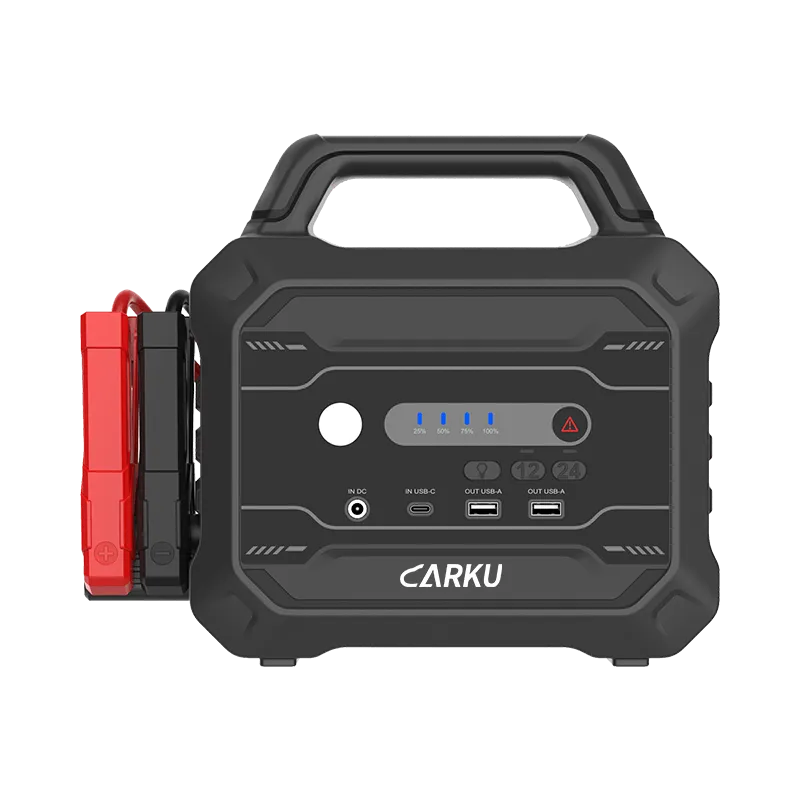
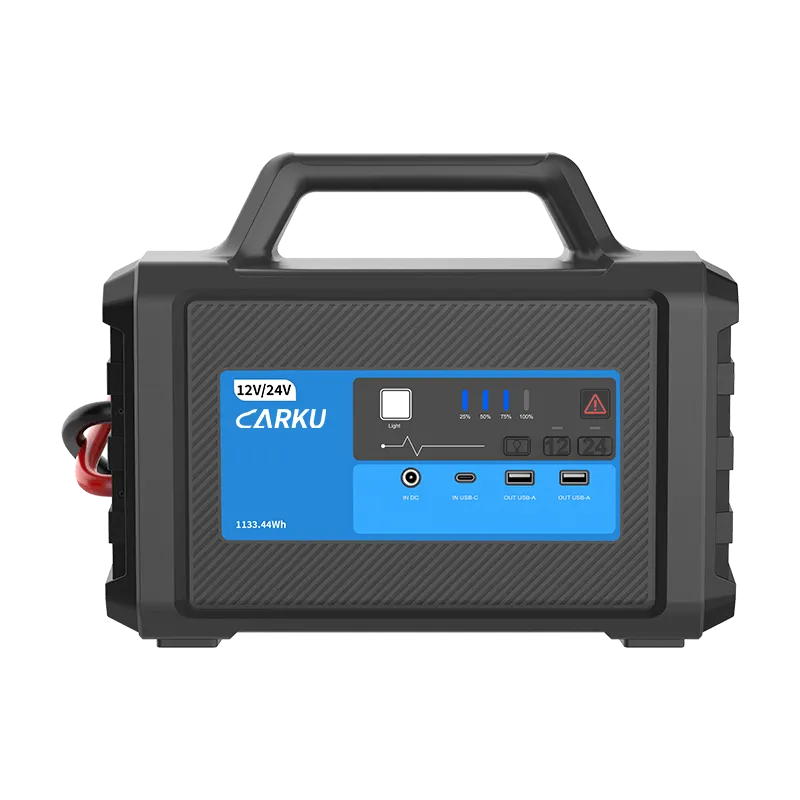
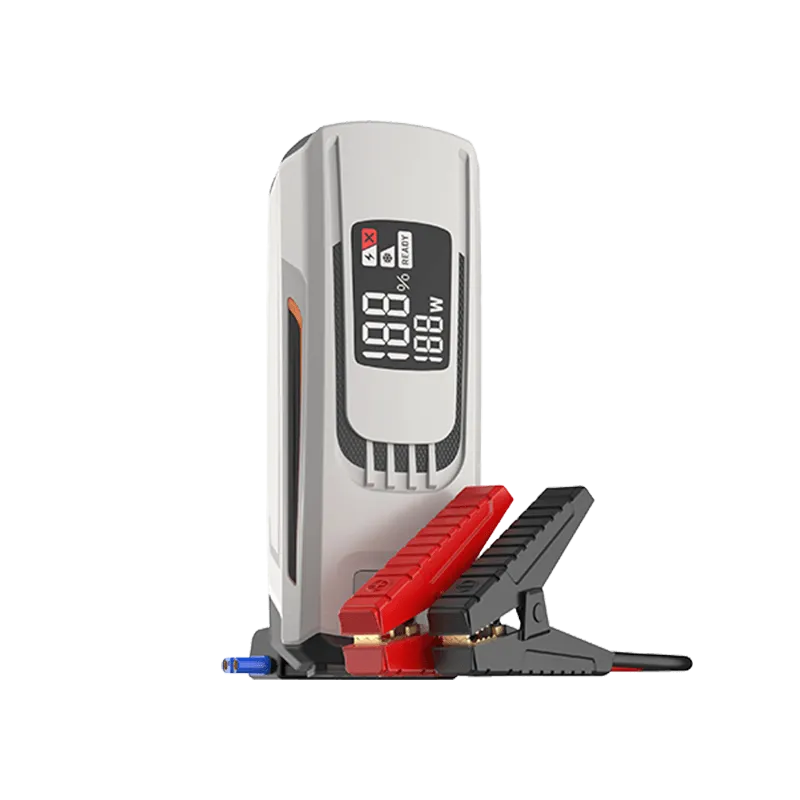
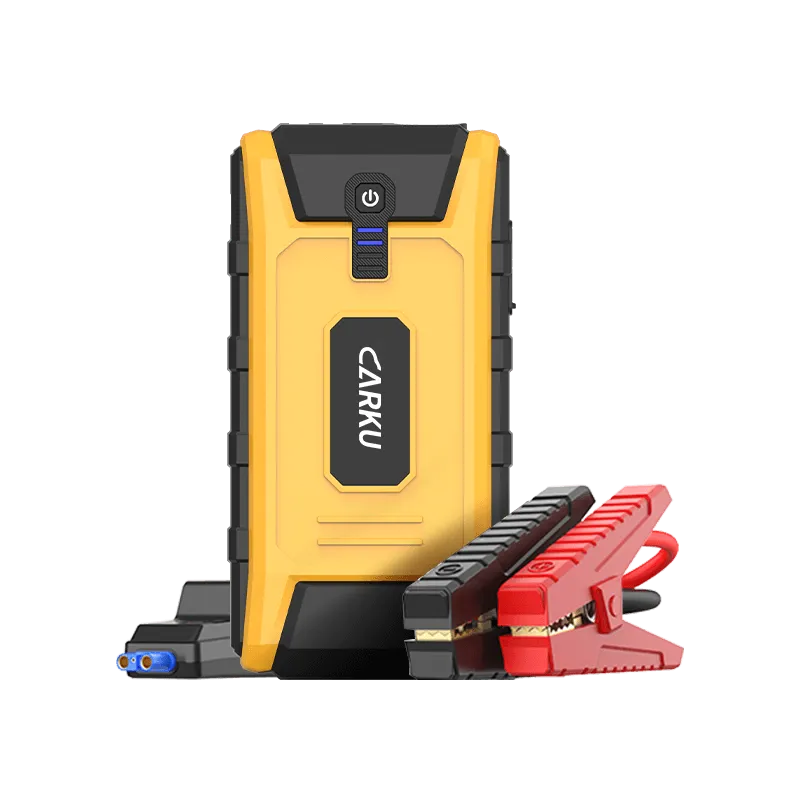
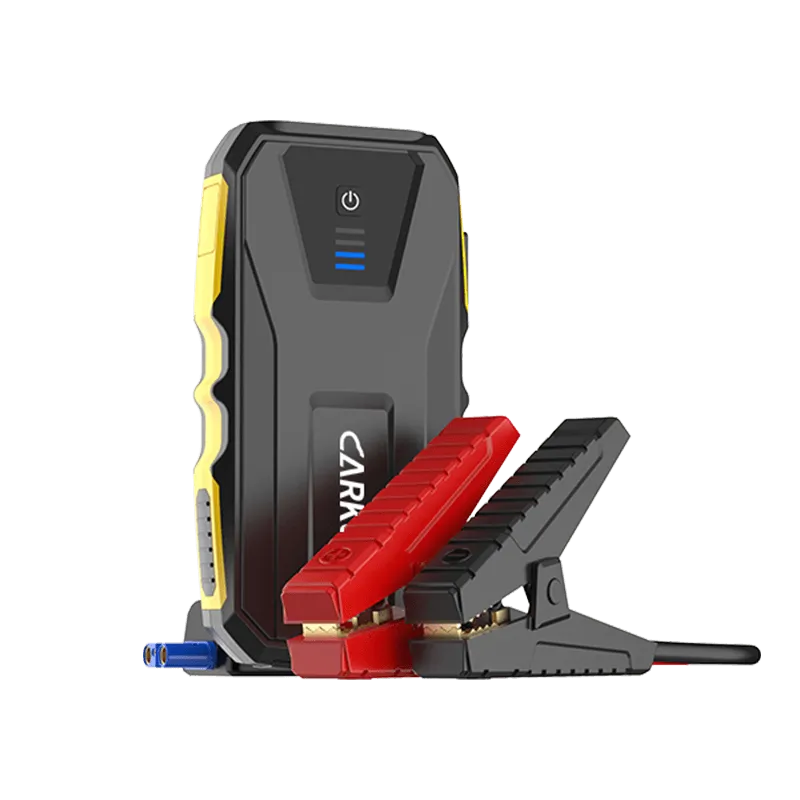
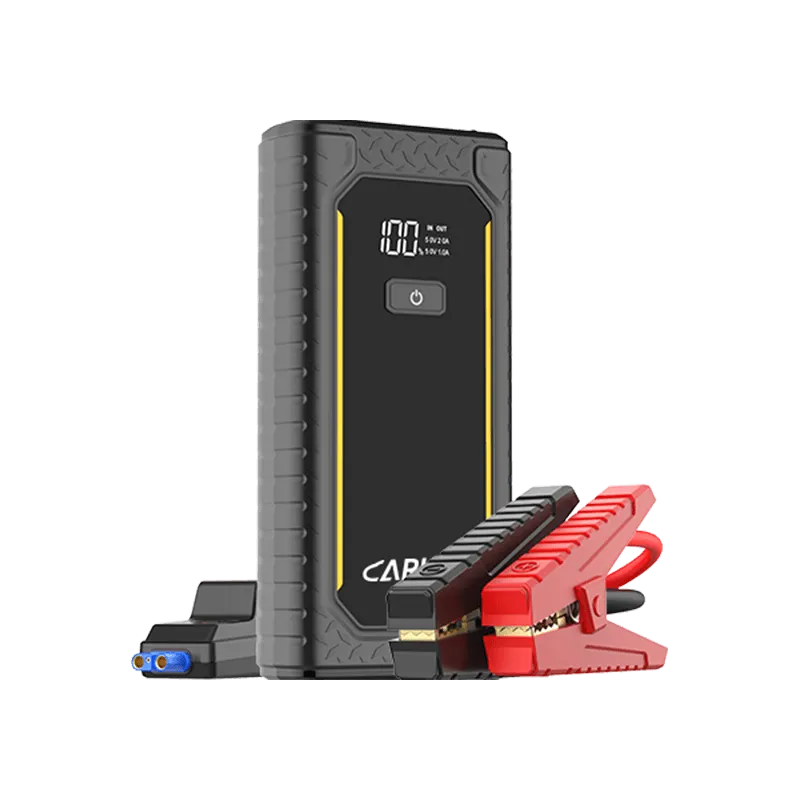
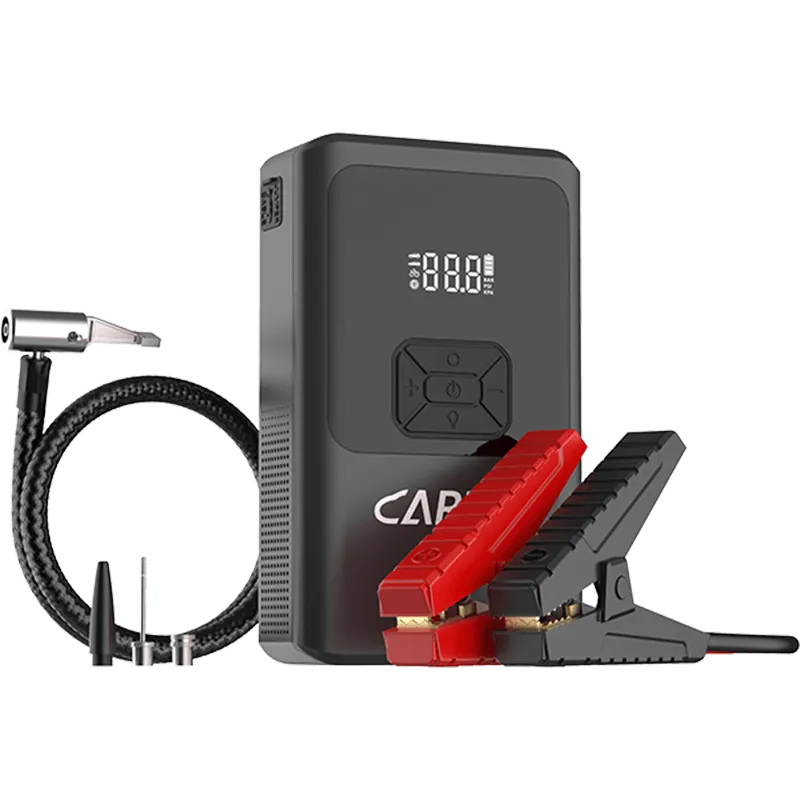
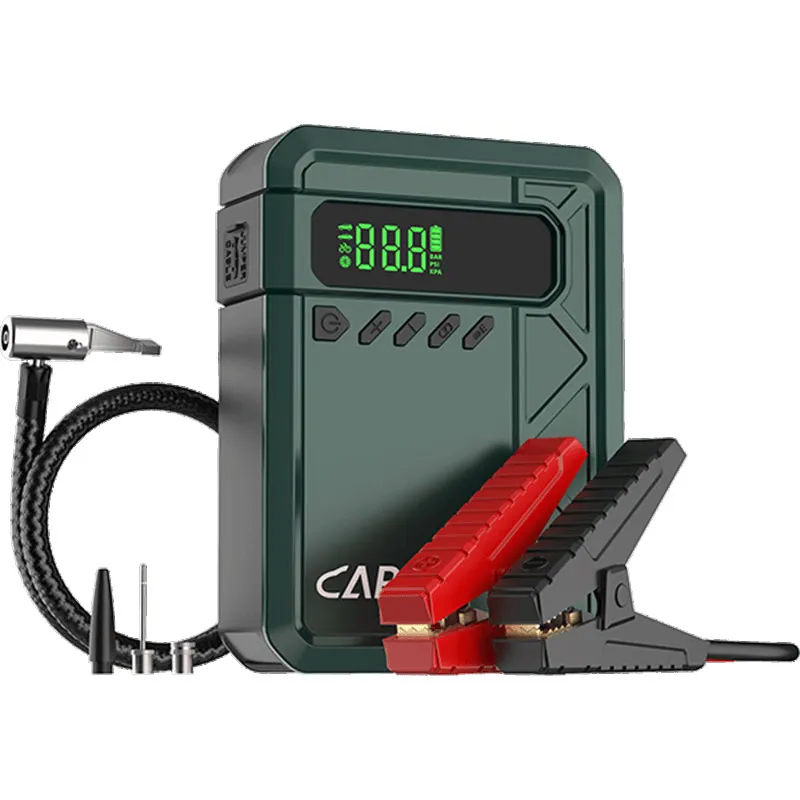
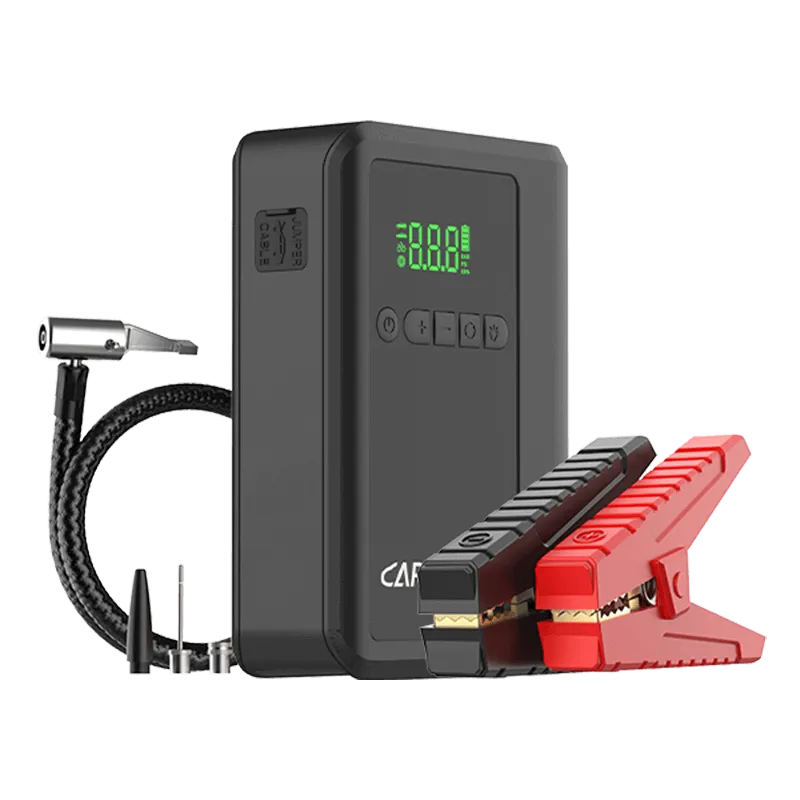
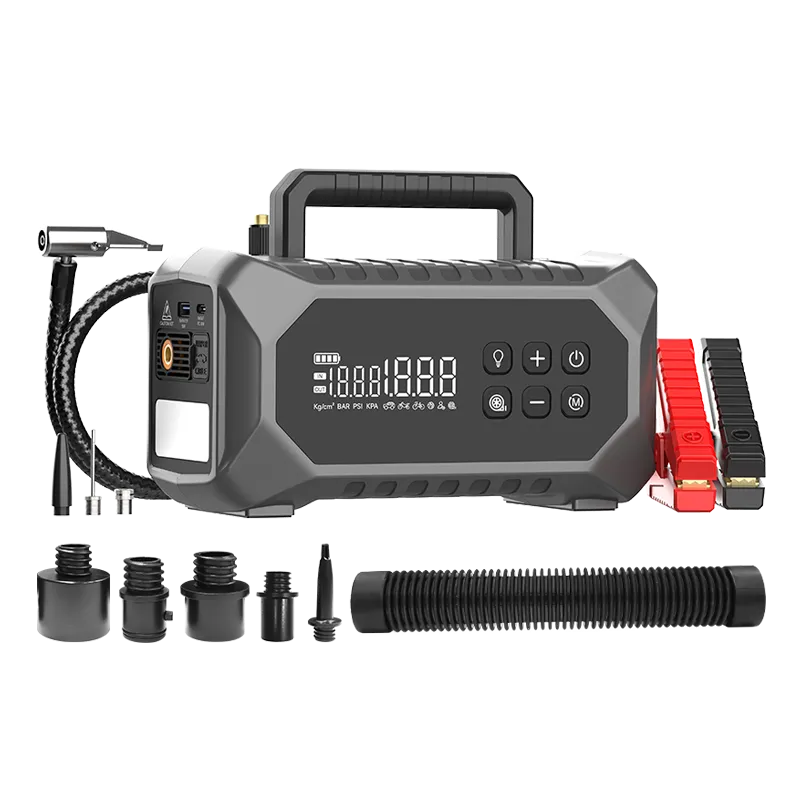
 Jump Starter ODM/OEM Solutions
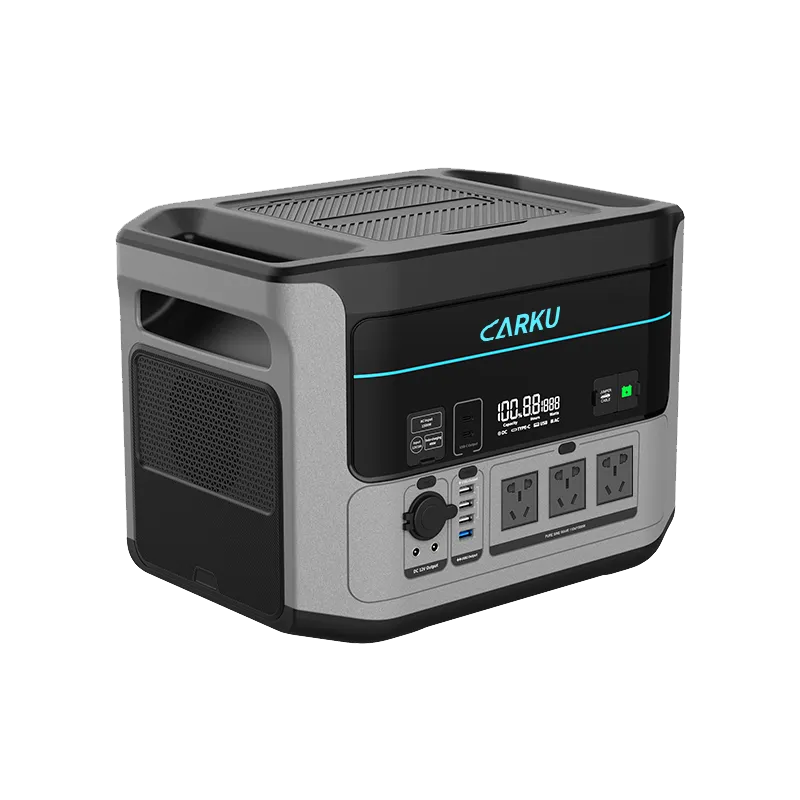
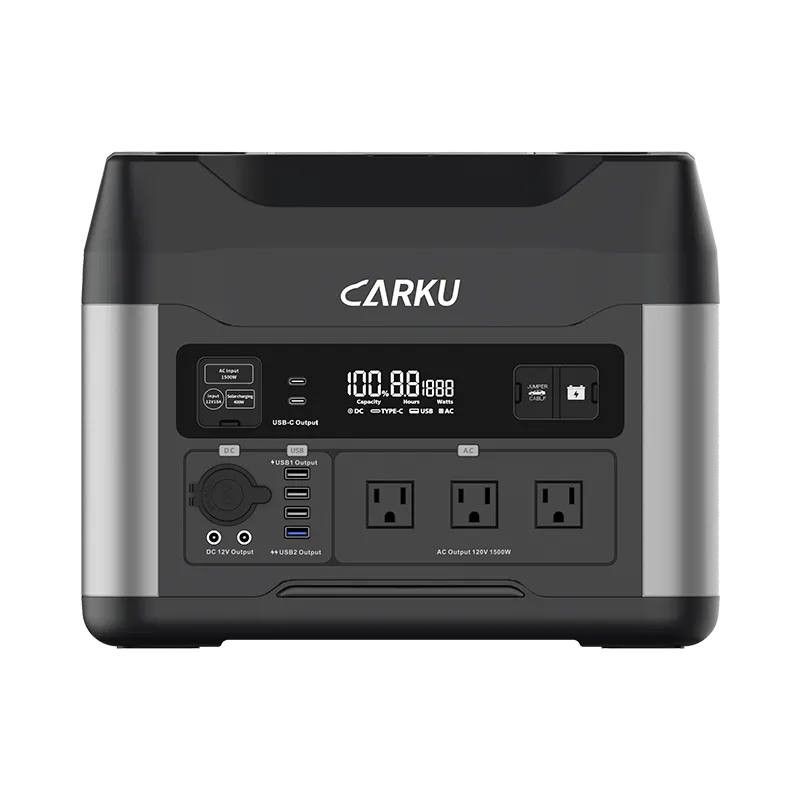
 Portable Power Station ODM/OEM Solutions
 Starting Battery ODM/OEM Solutions
 ABOUT CARKU
 STRENGTH FACTORY
 THE DEVELOPMENT HISTORY OF CARKU
 CORE COMPETITIVENESS
 COMPANY CULTURE
 QUALIFICATION
 CARKU News
 CARKU Exhibitions
 CARKU Battery Applications