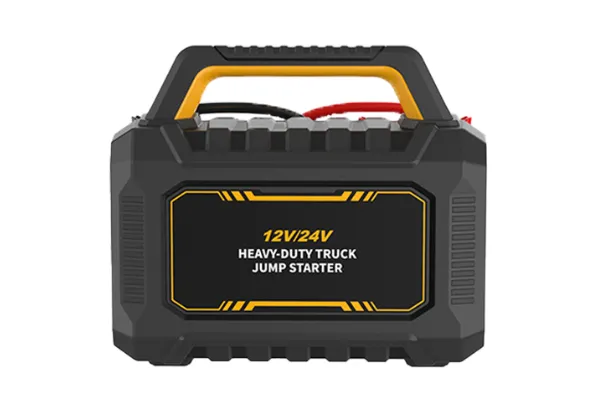
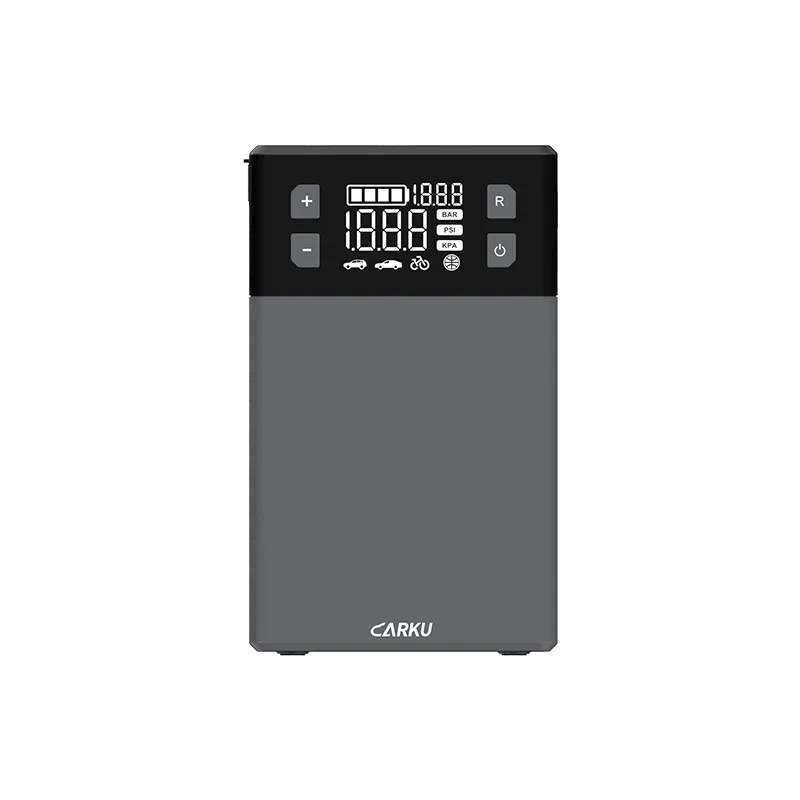
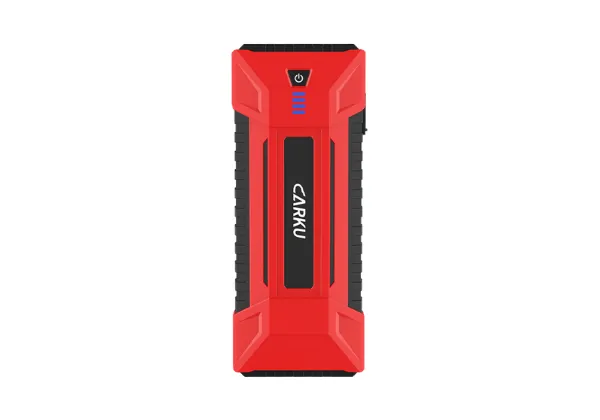
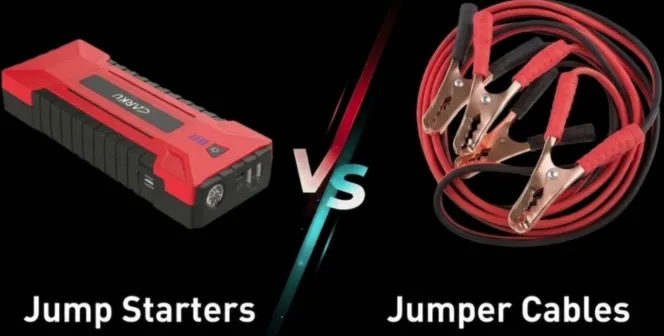
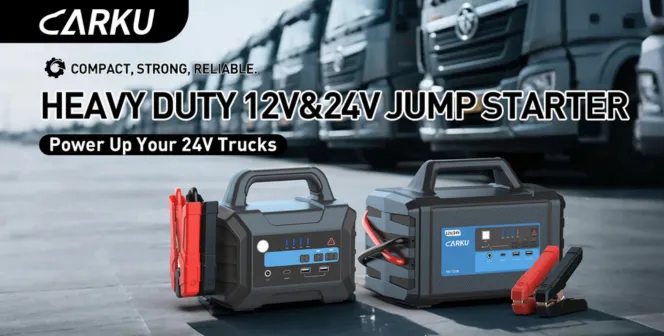
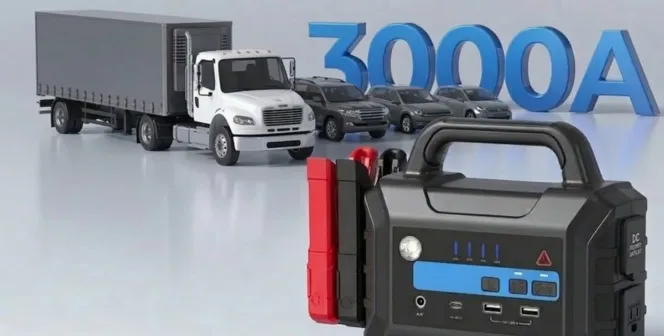
As modern vehicles grow larger and engines more powerful, jump starters have also evolved to meet the increased demand. Today’s 12V and 24V heavy-duty jump starters dominate the automotive aftermarket, delivering higher cranking current to reliably start diesel trucks. These advanced jump starters are not only stronger than previous generations but also designed to be more eco-friendly and energy-efficient, reflecting the shift toward cleaner, greener automotive solutions.
Understanding A LiFePO4 Heavy-duty Jump Starter
A heavy-duty jump starter is not simply a larger power bank. It is a high-current starting tool designed specifically for vehicle engines. In modern automotive and energy storage applications, LiFePO4 batteries are increasingly used in jump starters due to their stability, long cycle life, and safety advantages.
LiFePO4 batteries feature a sealed and stable internal structure, unlike traditional lead-acid batteries that rely on liquid electrolytes. As a result, they require no electrolyte refilling or regular maintenance, making them significantly more convenient and reliable in daily use.
Compared with traditional lead-acid batteries, a LiFePO4 heavy-duty jump starter offers:
· Higher thermal and chemical stability
· Longer service life, often exceeding 3000 charge cycles
· Maintenance-free
· Lower risk of thermal runaway during high-current discharge
These characteristics make LiFePO4 technology especially suitable for diesel trucks, commercial vehicles, and fleet applications, where reliability and safety are critical.
What Defines a 12V&24V Jump Starter Good
A good jump starter is not defined by appearance or battery capacity. It depends on several key factors, including cranking amps, voltage compatibility, and battery technology. Understanding these factors will help you choose the most reliable option for your needs.
Why the Heavy-Duty Jump Starter Is the Best Choice for Diesel Trucks
Choosing the best jump starter for diesel trucks comes down to real performance—not just specifications on paper. The JS373 stands out because it directly meets the key requirements for heavy-duty diesel starting.
1. Full Compatibility with 12V&24V Systems
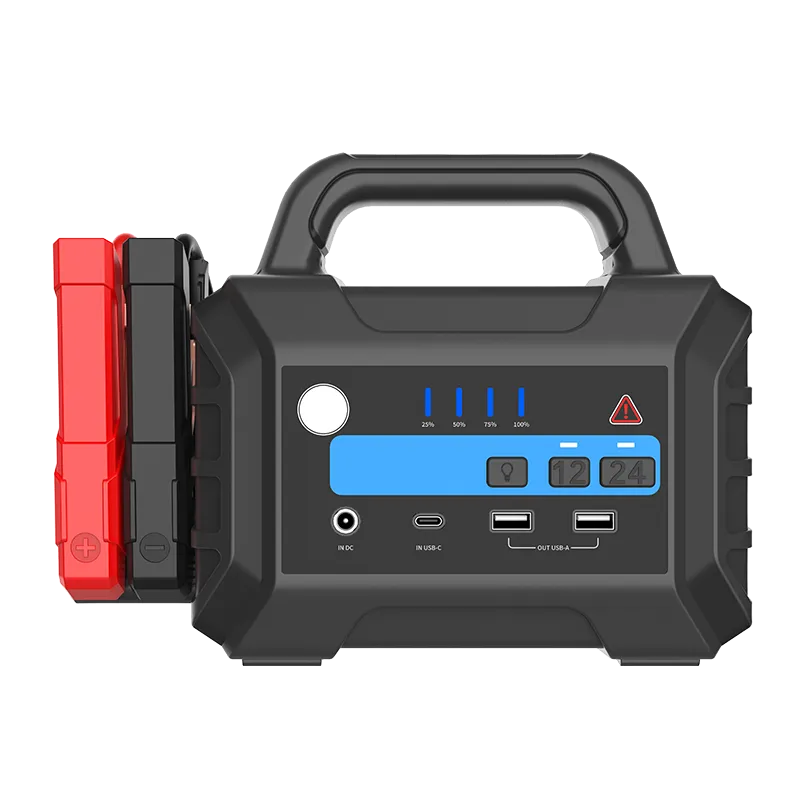
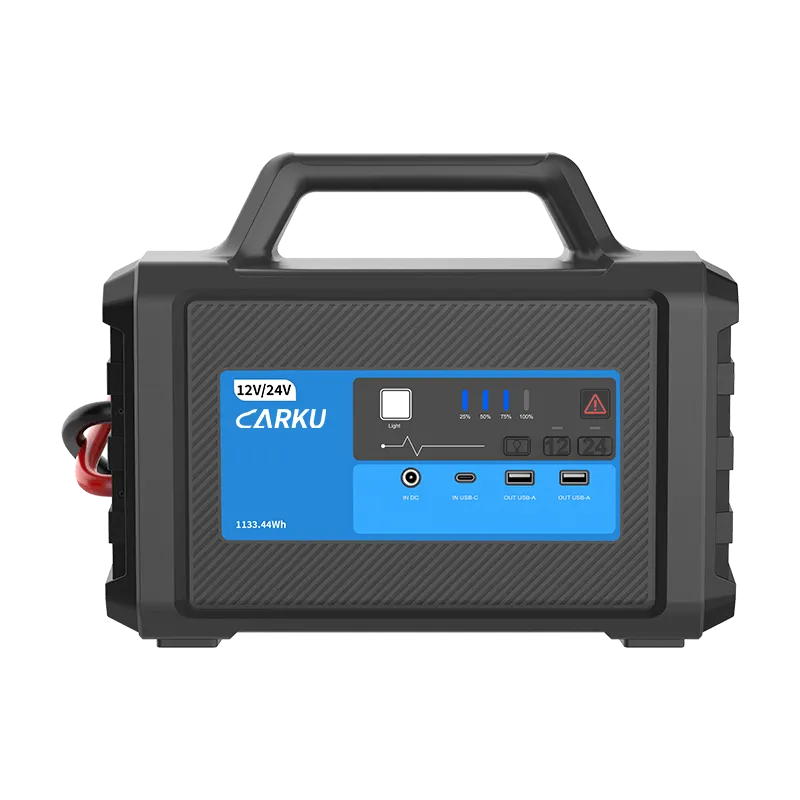
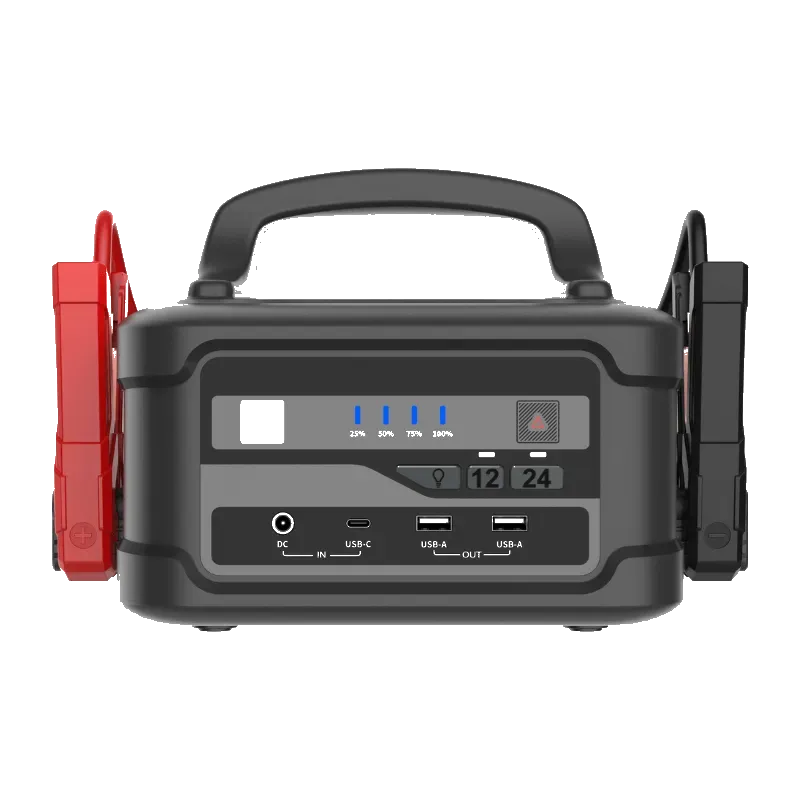
The JS373 is designed to work with both 12V and 24V vehicles, making it suitable for everything from light-duty pickups to heavy-duty trucks, buses, and construction equipment.
2. High Cranking Power for Large Diesel Engines
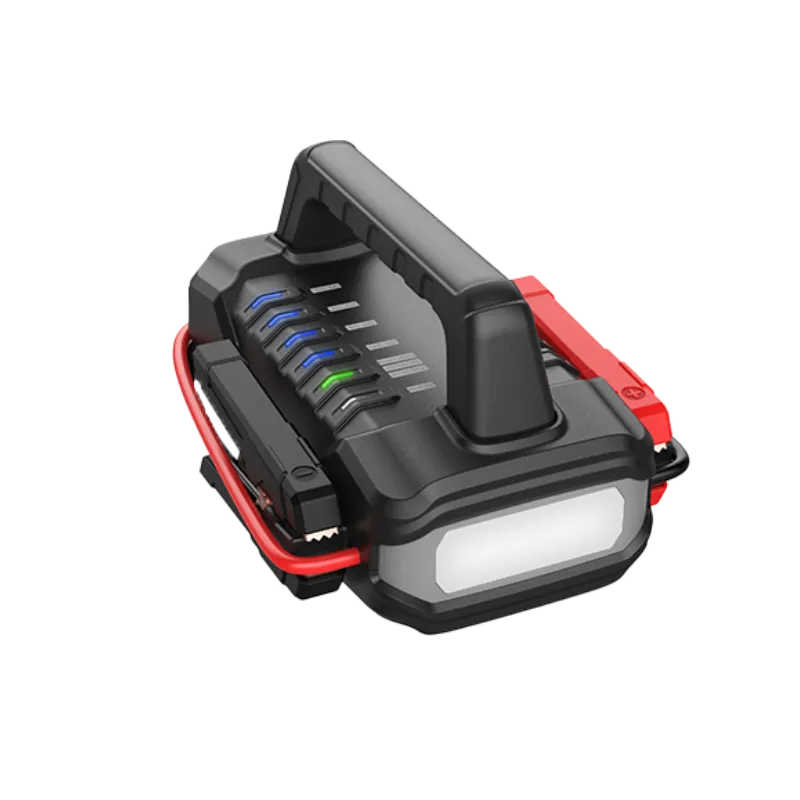
With up to 7000A peak current, the JS373 delivers the strong burst of power required to start large diesel engines, even in cold weather or low-battery conditions.
3. Ideal for Fleet and Professional Use
Its dual-voltage capability allows a single device to support multiple vehicle types. This makes it an efficient solution for workshops, fleet operators, and roadside assistance professionals.
4. Advanced LiFePO4 Battery Technology
Unlike traditional lead-acid jump starters, the JS373 uses LiFePO4 technology, offering better safety, longer lifespan, and more stable performance under high-current discharge.
5. More Than a Jump Starter (But That’s Not the Focus)
While it also functions as a backup power bank for devices, its primary strength remains reliable engine starting and fast charging.
So, what is the best jump starter for diesel trucks? Overall, the JS373 is not just powerful—it delivers the high cranking performance required for diesel trucks and is certified for global markets (CE, FCC, RoHS,UL), ensuring safe and reliable use across different regions.
If you're comparing models or looking for the best jump starter for diesel truck based on your vehicle type and usage, check out our detailed guide to explore top-rated options.
How to Choose the Best Jump Starter for Diesel Trucks
Choosing the best jump starter for a diesel truck requires focusing on three critical factors:
Cranking Amps (CCA) is the single most important factor for a reliable jump starter. It measures the peak current a battery can deliver at 0°F (-18°C) for 30 seconds—enough to start your engine.
Different vehicles need different CCA:
-
12V light-duty cars, SUVs, compact pickups: ~400–1000A
-
24V diesel trucks and commercial vehicles: 1500–3500A
Choosing the right CCA ensures your jump starter can handle your vehicle’s engine size, voltage system, and climate conditions.
Tip: Check our guide on choosing the best jump starter for your vehicle to find the recommended CCA by car, SUV, or heavy-duty truck.
12V Jump Starter Series – Compact, Portable, and Multi-functional
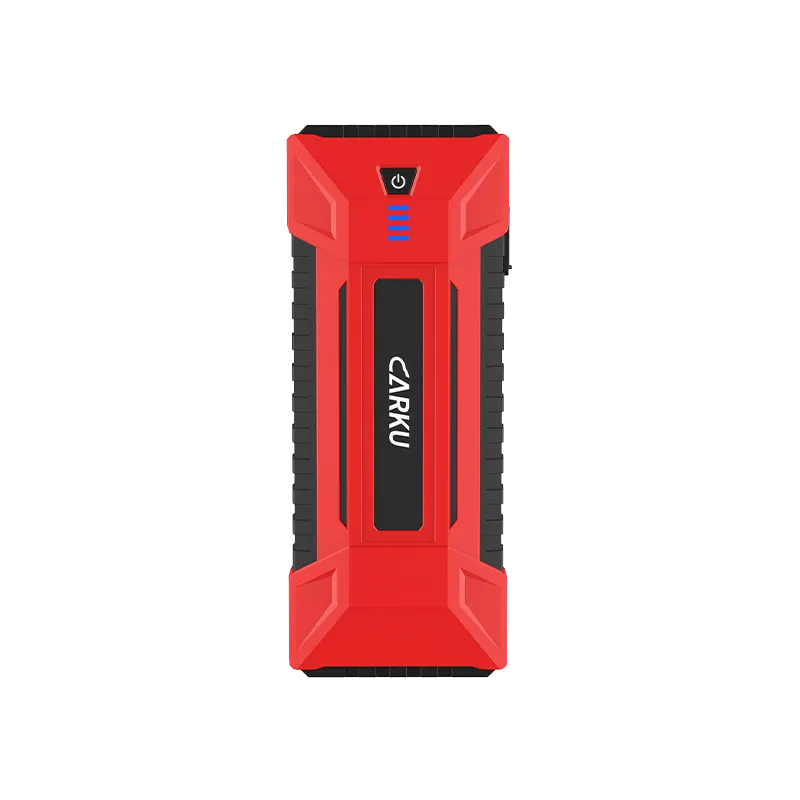
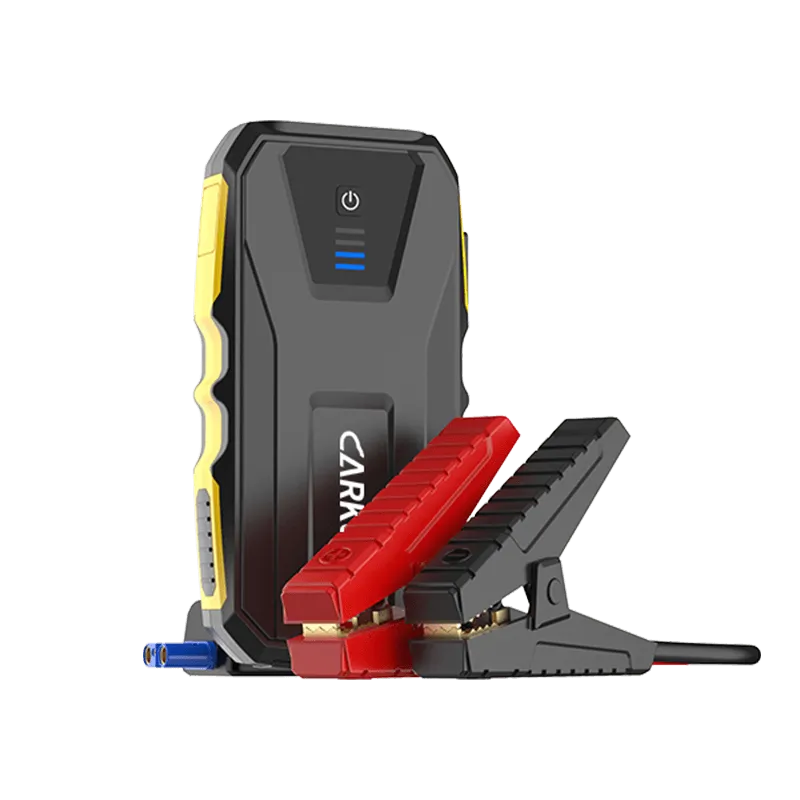
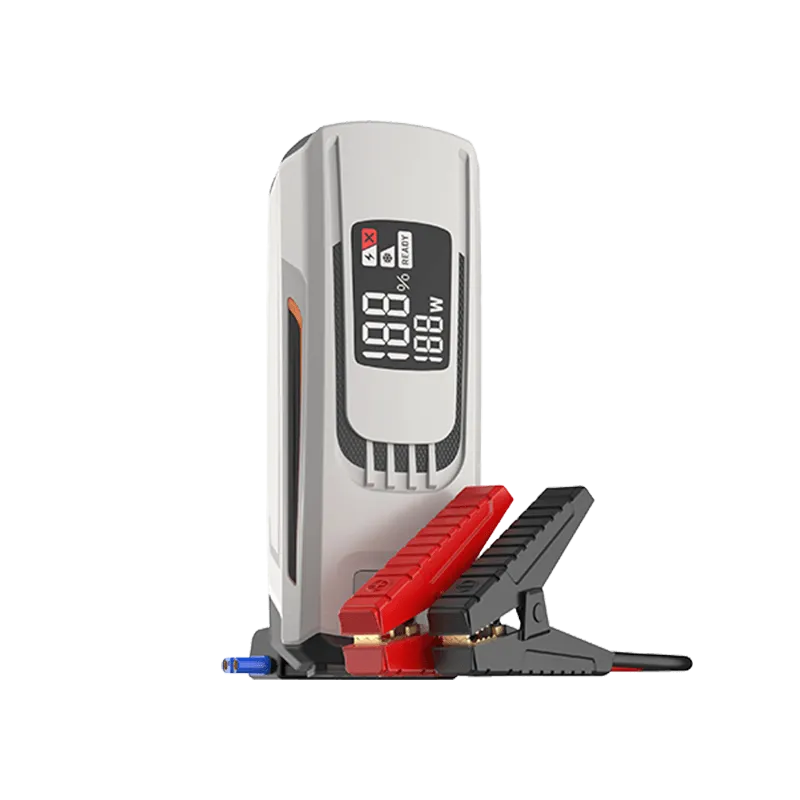
12V jump starters are designed for light-duty vehicles such as cars, SUVs, and compact pickups with engine displacement up to 3.5L and tire sizes between 14–18 inches. They are ideal for commuting, daily use, and emergency situations, providing reliable starting power when you need it most. Many models also offer multi-functional features including LED lights, USB charging ports, and small device power support, making them a versatile addition to your vehicle toolkit.
Key Features of LiFePO4 Batteries for 12V Jump Starters:
-
Battery Technology: LiFePO4 batteries provide stable performance, long cycle life exceeding 3000 charge cycles, and maintenance-free convenience.
-
Portability: Compact and lightweight design ensures easy storage in your car, SUV, or toolbox.
-
Multi-Functionality: Equipped with LED lights, USB ports, and auxiliary power for small electronics.
-
Design & Packaging: Supports OEM/ODM customization for brand identity, packaging, and functional features.
-
Performance: Provides sufficient cranking power for 12V vehicles, guaranteeing reliable starts across varied climates and driving conditions.
12V JUMP STARTER VS 24V JUMP STARTER
Feature
|
12V Jump Starter Series
|
24V Jump Starter Series
|
|
Target Vehicles
|
Light-duty cars, SUVs, compact pickups
|
Heavy-duty diesel trucks, buses, commercial vehicles
|
|
Engine Displacement
|
Up to 3.5L
|
5–15L
|
Tire Size Compatibility
|
14–18 inches
|
19–24 inches
|
Use Cases
|
Commuting, daily use, emergency roadside
|
Long-haul, fleet operations, construction, professional use
|
Battery Technology
|
LiFePO4: stable, maintenance-free, >3000 cycles
|
LiFePO4: stable, high-performance, thermal stability, maintenance-free
|
Cranking Performance
|
Sufficient for 12V vehicles
|
Maximum cranking power for large diesel engines
|
Portability
|
Compact, lightweight, easy storage
|
Heavy-duty design for rugged environments
|
Multi-Functionality
|
LED lights, USB ports, tire inflator
|
Some models support dual-voltage (12V/24V), optional USB
|
Design & Packaging
|
Supports OEM/ODM customization for brand, packaging, features
|
OEM/ODM options for branding, packaging, and fleet-specific functions
|
Environmental Reliability
|
Reliable starts across varied climates and driving conditions
|
Reliable starts regardless of climate, altitude, or battery condition
|
Battery Comparison
|
LiFePO4 vs Lead-acid: LiFePO4 stable, safer, long life; Lead-acid heavier, maintenance required, suitable mainly for 12V cars
|
LiFePO4 preferred for heavy-duty and fleet vehicles; Lead-acid generally not recommended for 24V diesel applications
|
24V Jump Starter Series – Heavy-Duty Diesel and Commercial Vehicles
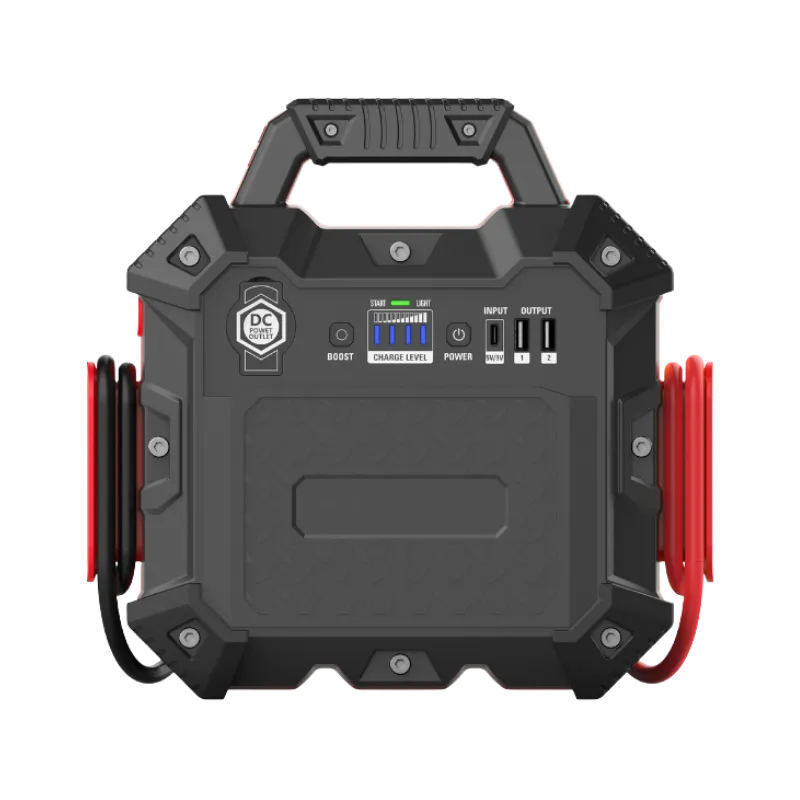
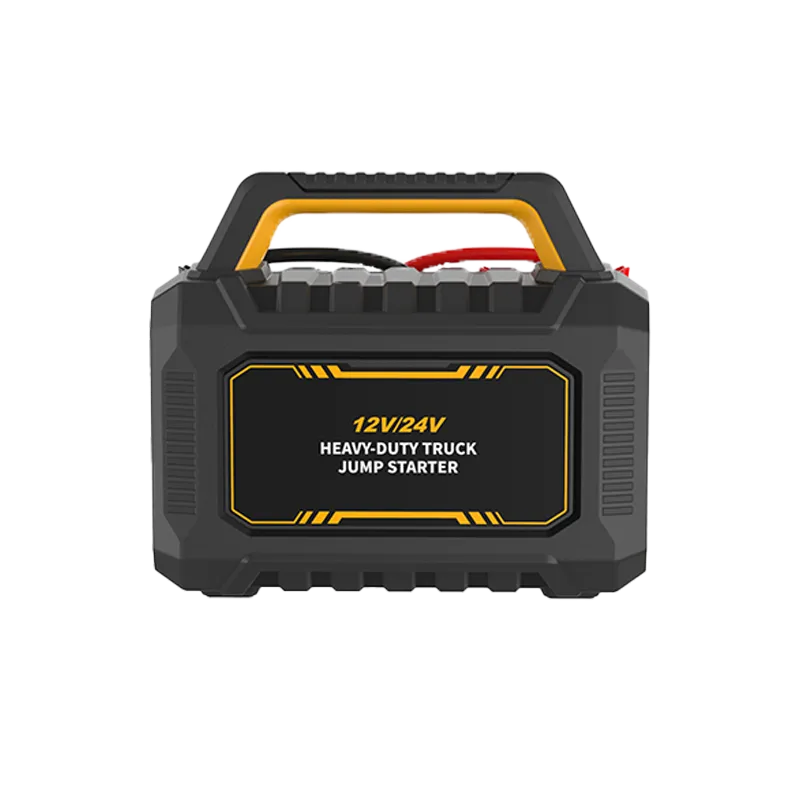
24V jump starters are tailored for heavy-duty diesel trucks, buses, and commercial vehicles with engine displacements ranging from 5–15L and tire sizes between 19–24 inches. They deliver the high cranking current necessary to start large engines under extreme conditions, making them ideal for long-haul, fleet operations, construction sites, and professional use.
Key Features of LiFePO4 Batteries for 24V Jump Starters:
-
Battery Technology: High-performance LiFePO4 batteries ensure long cycle life, thermal stability, and maintenance-free operation.
-
Dual-Voltage & Fleet Flexibility: Some models support dual-voltage operation (12V/24V) to accommodate mixed fleets.
-
Robust Design: Heavy-duty construction withstands harsh environments and repeated use.
-
OEM/ODM Customization: Options for branding, packaging, and additional functions tailored to fleet or commercial requirements.
-
Reliable Performance: Provides maximum cranking power to start large diesel engines reliably, regardless of climate, altitude, or battery condition.
Battery Technology (LiFePO4 vs Lead-acid)
The battery inside your jump starter determines performance, safety, and lifespan.
-
LiFePO4 batteries: Stable, maintenance-free, over 3000 charge cycles, safer under high current, ideal for diesel trucks and fleet vehicles.
-
Lead-acid batteries: Heavier, require regular maintenance, less stable under extreme loads, suitable mainly for small 12V cars.
For everyday commuters, a standard 12V lead-acid jump starter may be enough. But for diesel trucks, commercial fleets, or harsh climates, LiFePO4 ensures reliable starts and longer life.
Learn more: Our guide compares LiFePO4 vs Lead-acid and recommends the best models for cars, SUVs, and heavy-duty trucks.
Is a Heavy-duty Jump Starter Waking Up a Dead Battery?
A common misconception is that a heavy-duty jump starter “recharges” or “revives” a dead battery. In reality, a jump starter does not restore battery capacity. Instead, it temporarily bypasses the weak battery by delivering high cranking current directly to the starter motor.
When you activate a 12V/24V jump starter, it provides the immediate current required to turn the engine over. For example, successfully starting a V8 diesel engine with a heavy-duty jump starter does not mean the battery has recovered—it simply means the jump starter supplied sufficient current to initiate engine combustion.
Frequently Asked Questions
1.How long does a jump starter fully being charged?
The charging time depends on the battery capacity and the input power. For example, the JS326B jump starter can be fully charged in approximately 4 hours using the recommended charger. Once fully charged, the jump starter is ready for immediate use.
2.Does it the jump starter safer to be placed in the car?
The JS326B jump starter is safe to keep in your vehicle when stored properly. To maintain optimal performance and battery safety, it should be placed in a cool, shaded area inside the car, especially during hot seasons. With an operating temperature range of -20°C to 60°C, it is suitable for everyday in-car storage and emergency use.
3.How much money can you save with a jump starter?
With a lifespan of over 3,000 charge cycles and an average price of $120–150 per unit, a LiFePO4 jump starter can last more than 8 years under daily use. In comparison, conventional lead-acid batteries typically last 1–2 years before replacement is needed. This translates to an annual savings of around $35–40 per unit, making LiFePO4 an economical choice for both personal and fleet vehicles.





 Jump Starter ODM/OEM Solutions
 Portable Power Station ODM/OEM Solutions
 Starting Battery ODM/OEM Solutions
 ABOUT CARKU
 STRENGTH FACTORY
 THE DEVELOPMENT HISTORY OF CARKU
 CORE COMPETITIVENESS
 COMPANY CULTURE
 QUALIFICATION
 CARKU News
 CARKU Exhibitions
 CARKU Battery Applications