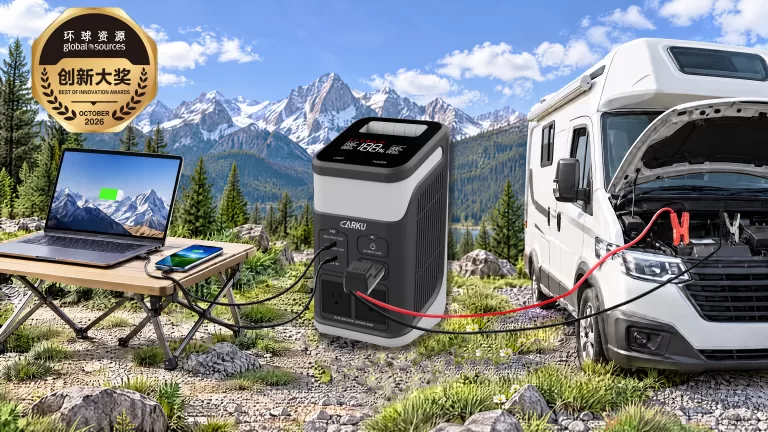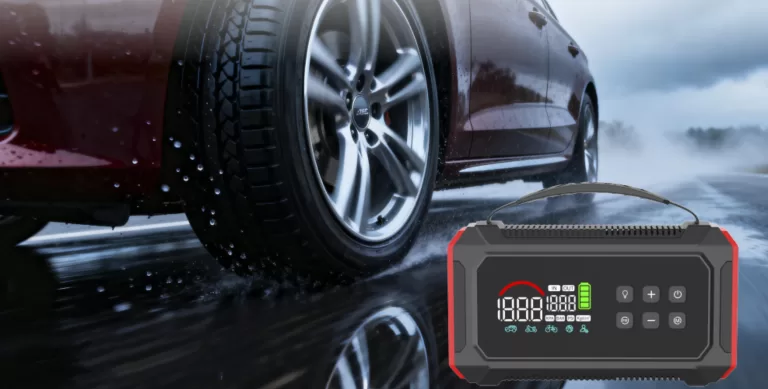



A 1000 amp jump starter is designed to deliver a short burst of high current to start an engine—not to constantly push 1000 amps into your car. Many people assume that a jump starter forces power into the battery, but that’s not how jump starting works. When you jump start 1000 amp systems, the vehicle draws only the current it needs. The starter motor briefly pulls high current to turn the engine, while other electrical components use only small amounts of power. That’s why a properly rated jump starter won’t damage your car or blow fuses. Understanding this difference between peak capability and actual current delivery is key to choosing the right jump starter.
Peak Amps vs. Cranking Amps: What the Numbers Really Mean
In cold weather, cold cranking Amps (CCA) is the parameter that truly matters for jump starting. A jump starter rated at 1000 amps will not deliver the same current in low temperatures, because battery performance drops as temperatures fall. The “1000 amp” rating typically refers to the maximum peak current available for a very short moment under normal conditions. This value is usually higher than the actual cranking current required to start an engine.
To better understand how peak amps, cranking amps, and CCA differ—and why they matter in different situations—you can explore our detailed explanation here.
Is a 1000 Amp Jump Starter Enough for Your Vehicle
Many drivers first wonder, can a 1000 amp jump starter start a car. For most everyday gasoline vehicles, the answer is yes, as long as the engine displacement is not excessively large.
A 1000 amp jump starter for small cars, compact sedans, and other gasoline vehicles is usually more than enough, since these engines typically require only a few hundred amps to crank. For mainstream SUVs, a 1000 amp unit can also work well under normal conditions, offering a comfortable safety margin for typical 2.0–4.0L gasoline engines.
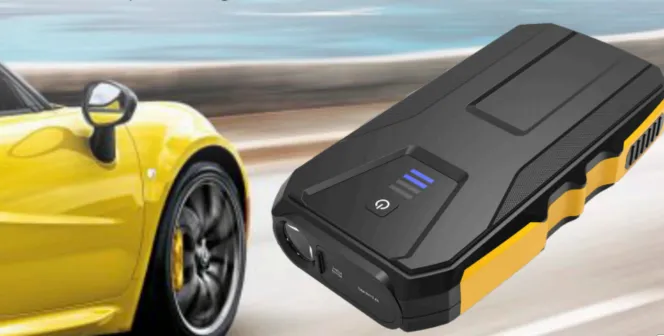
However, in very cold weather, a 1000 amp jump starter may not be the most reliable option, as low temperatures reduce battery performance and increase cranking demand. In these conditions, higher-amp or high-CCA models are often a safer choice.
When it comes to diesel engines, large pickups, commercial vehicles, or 24V heavy-duty systems, 1000 amps is generally insufficient. For consistent starts and better durability, high-output jump starters in the 1500–2000 amp range are typically recommended.
What Does 1000 Amp Really Mean in a Jump Starter
The “1000 amp” rating primarily indicates the peak current a jump starter can deliver, not a continuous output. In reality, the vehicle draws only the current it needs, so 1000 amps represents the maximum potential rather than a guaranteed flow. For small gasoline cars, this is more than sufficient; for larger SUVs or cold-weather conditions, CA/CCA should still be considered; while diesel engines, 24V systems, or heavy-duty vehicles may require higher-rated units. At the same time, other electrical components draw power as needed, and fuses or circuits are not at risk simply because the device is rated at 1000 amps.
Frequently Asked Questions
-
Is a 1000 Amp Jump Starter the Same as a 1000 Amp-Hour Battery?
No. 1000 amps shows the jump starter’s peak current, which determines if it can start the engine. Battery capacity (Ah or mAh) indicates how many times it can jump a vehicle or how long it can power devices. In short: peak amps start the car, capacity tells you how often or how long.
-
When Is a 1000 Amp Jump Starter the Right Choice?
A 1000 amp jump starter is generally a good fit for most gasoline small cars and many SUVs in mild climates, but for very cold weather, large diesel engines, 24V or heavy‑duty vehicles, it is safer to move up to a higher‑amp or dedicated heavy‑duty model.